
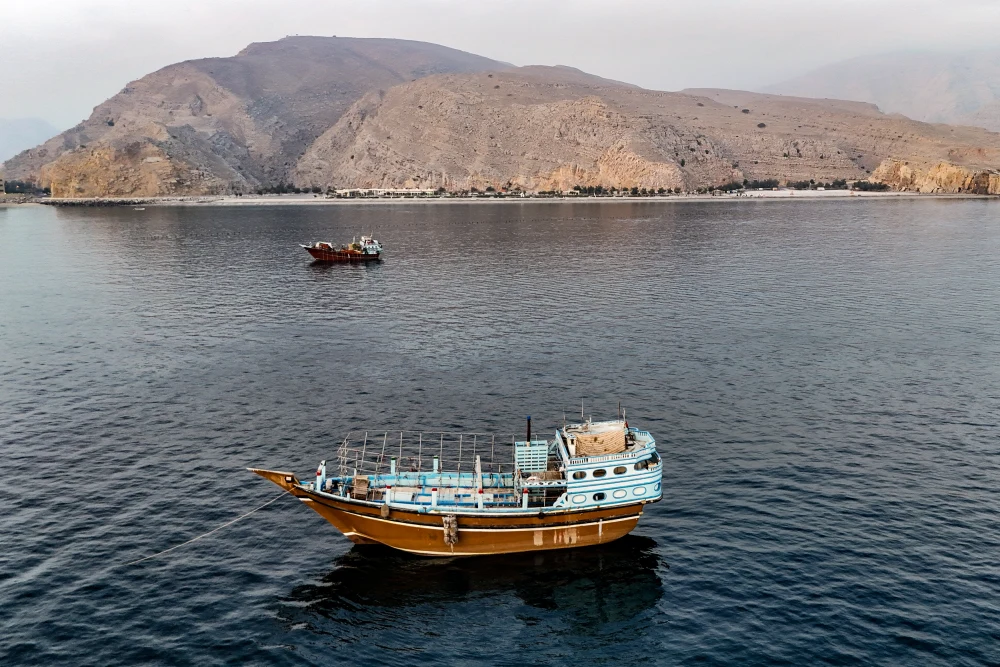
Introduction: The Iran Crisis Has Eased But the Lessons Remain
Over the past few months, tensions between Iran crisis and Western powers have shaken energy markets worldwide, with Asia bearing the brunt of it. Following a recent interim accord, flows of oil and natural gas through the Strait of Hormuz have started returning to normal, and prices have pulled back from their peaks. Still, a lasting peace deal remains out of reach. Four months of conflict have sent a clear message to policymakers across Asia: relying on a fragile supply chain for energy is no longer an option.
Three Big Lessons Asia Has Learned
1. Bigger Strategic Reserves Are Non-Negotiable
Countries that entered the crisis with large stockpiles fared far better than those that didn’t. China stands out as the clearest example its substantial pre existing oil reserves helped cushion the impact of the disruption. The takeaway is simple: emergency energy reserves aren’t a nice to have anymore, they’re a necessity.
2. Diversifying Suppliers Is No Longer Optional
Heavy dependence on the Middle East turned out to be one of Asia’s biggest vulnerabilities. Before the conflict, the Middle East supplied a large share of Southeast Asia’s crude oil and gas, while countries like Japan relied on the region for nearly all their oil imports. That kind of concentration risk is now pushing governments to actively seek out alternative suppliers, so that instability in one region doesn’t cripple an entire economy.
3. A Better Energy Mix Matters More Than Ever
The Iran crisis also made it clear that leaning too heavily on oil and gas is a risky bet. As a result, many countries are accelerating investment in solar, nuclear, and other renewable sources. The Philippines, for instance, has seen its solar market grow rapidly, while Vietnam has been moving forward with nuclear power projects as part of its long-term energy plan.
Iran Crisis Impact on Real World
This wasn’t just a policy conversation it played out in everyday life across the region:
- Several countries introduced energy rationing measures
- Governments rolled out work-from-home policies and four day work weeks for public employees
- A number of airlines were forced into emergency operational status
- Rising fuel costs squeezed farmers and household budgets alike
China’s Strategic Advantage
Throughout the Iran crisis, China’s position remained comparatively strong. Large existing oil reserves, combined with heavy domestic investment in renewable energy, meant the disruption hit China less hard than its neighbors. That resilience is now giving China an opening to expand its footprint in Southeast Asia’s energy market particularly through exports of solar panels, batteries, and electric vehicles.
What Comes Next
Energy analysts warn that if Southeast Asia doesn’t diversify quickly, import bills could balloon dramatically in the years ahead. That’s why the conversation is shifting from short-term emergency measures to long-term structural change stronger grid infrastructure, better cross border power connectivity, and sustained investment in alternative energy sources.
Conclusion
The Iran crisis has been a wake up call for Asia, a reminder that energy security isn’t just about price it’s about national resilience and economic stability. The real test now is which countries turn this lesson into lasting policy, and which ones simply move on once the immediate pressure fades.
Disclaimer : This article is an analysis based on recent international reporting and is intended for informational purposes only. The information presented here may change over time,please verify with the latest and official sources before making any decisions.The author or publisher is not responsible for any financial, or investment
Learn more about our site archive2in.com
Contact us on contactarchive2in.com
Read out Latest Articles: India china relation U- turnm https://contactarchive2in.com/india-china-power-tenders-congress-reaction
Leave a Reply
You must be logged in to post a comment.