
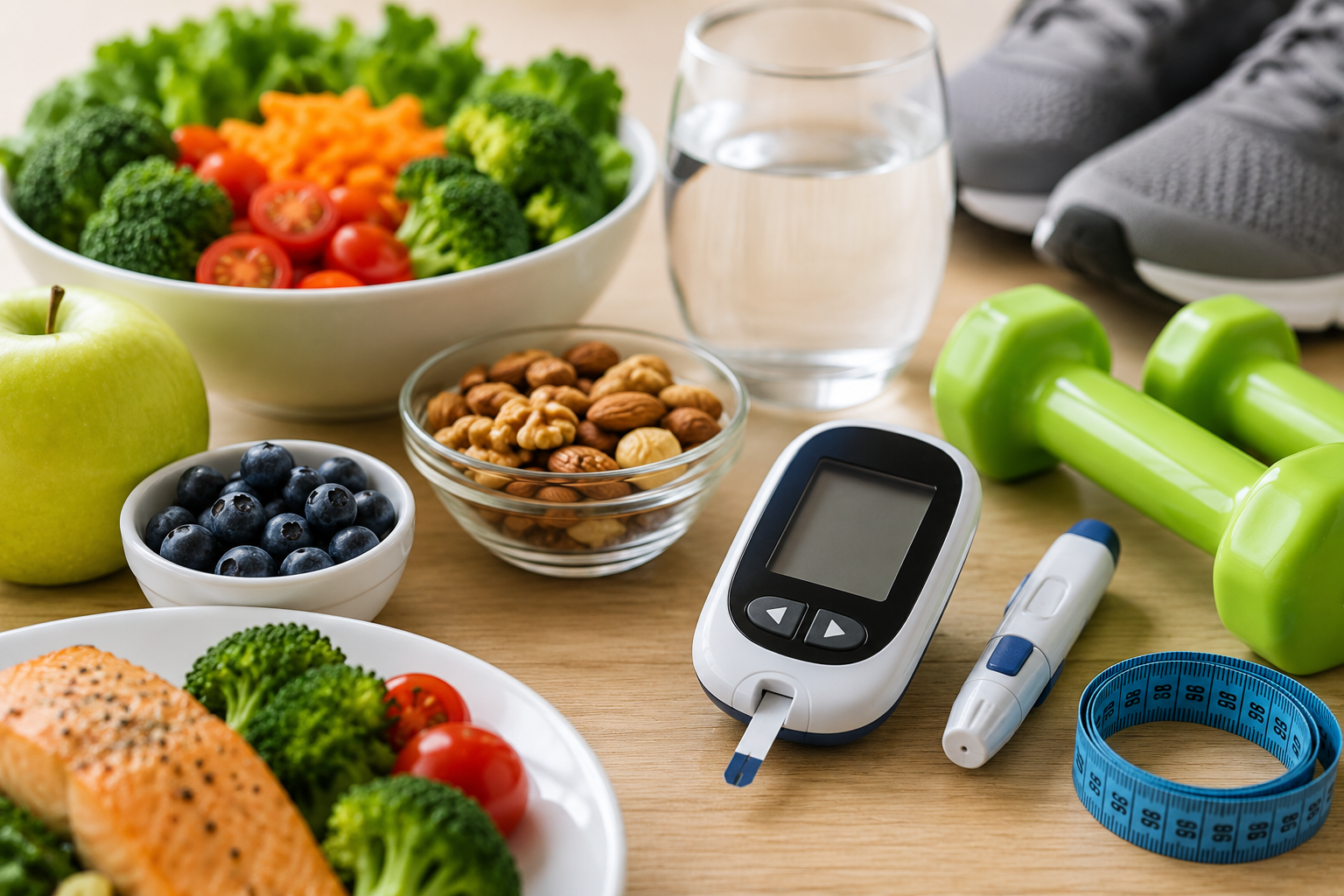
Maintaining healthy blood sugar levels is essential for overall well-being. Whether you’re trying to reduce your risk of type 2 diabetes, manage prediabetes, or support your health alongside medical treatment, adopting healthy daily habits can make a significant difference.
While these 10 daily habits are not a substitute for professional medical care or prescribed medication, research suggests they can help improve blood sugar control when practiced consistently.
Here are 10 simple daily habits that may help lower blood sugar naturally.
1. Start Your Day with a Protein-Rich Breakfast
Skipping breakfast or eating sugary foods first thing in the morning can cause blood sugar spikes. Instead, choose protein-rich foods such as eggs, Greek yogurt, cottage cheese, tofu, or unsweetened nuts. Adding healthy fats and fiber can help keep you full longer and support more stable blood sugar levels.
2. Walk for 10–15 Minutes After Meals
A daily short walk after eating can help your muscles use glucose more efficiently, reducing post-meal blood sugar spikes. Even a gentle walk around your neighborhood or office can make a positive difference.
3. Eat More Fiber
Fiber slows the digestion and absorption of carbohydrates, helping prevent sudden increases in blood sugar. Include foods like oats, beans, lentils, vegetables, fruits, chia seeds, and whole grains in your daily diet.
4. Stay Hydrated
Drinking enough water helps your body function properly and supports the kidneys in removing excess glucose through urine. Aim to drink water regularly throughout the day unless your doctor has advised otherwise.
5. Reduce Added Sugar
Soft drinks, sweets, packaged snacks, and sugary desserts can cause rapid blood sugar spikes. Replace them with healthier alternatives such as fresh fruit, unsweetened yogurt, or nuts.
6. Get Enough Sleep
Poor sleep can negatively affect insulin sensitivity and hormone balance. Most adults should aim for 7–9 hours of quality sleep each night. A consistent bedtime routine can also support better overall health.
7. Manage Stress
Stress triggers the release of hormones like cortisol, which may increase blood sugar levels. Simple stress-management techniques such as deep breathing, meditation, yoga, journaling, or spending time outdoors can help improve emotional and physical well-being.
8. Exercise Regularly
Regular physical activity helps your body use insulin more effectively. Aim for at least 150 minutes of moderate exercise each week. Walking, cycling, swimming, dancing, and strength training are all excellent options.
9. Control Portion Sizes
Eating too much—even healthy foods—can increase blood sugar levels. Use smaller plates, eat slowly, and pay attention to hunger and fullness cues. Balanced meals with protein, healthy fats, and fiber are often more satisfying than meals high in refined carbohydrates.
10. Monitor Your Blood Sugar
If you have diabetes or prediabetes, checking your blood sugar as recommended by your healthcare provider can help you understand how food, exercise, and daily habits affect your glucose levels. Keeping a simple health journal may also help identify patterns.
Foods That Support Healthy Blood Sugar
Including these foods in a balanced diet may support healthy glucose levels:
- Leafy green vegetables
- Whole grains
- Lentils and beans
- Nuts and seeds
- Fatty fish like salmon
- Berries
- Apples
- Cinnamon (in moderation)
- Plain yogurt
- Avocados
Remember, no single food can cure diabetes, but healthy eating patterns can contribute to better blood sugar management.
Conclusion
Lowering blood sugar naturally isn’t about following a strict diet or making drastic changes overnight. Instead, it’s about building healthy daily habits that you can maintain over time. Eating balanced meals, staying active, sleeping well, managing stress, and drinking enough water can all contribute to better blood sugar control.
If you have diabetes or any other medical condition, always work with your healthcare provider before making significant lifestyle or dietary changes. Small, consistent improvements today can lead to better health in the future.
Disclaimer
The information in this article is for educational purposes only and should not be considered medical advice. It is not intended to diagnose, treat, cure, or prevent any disease. Always consult a qualified healthcare professional before making changes to your diet, exercise routine, or medication. Never stop or alter prescribed treatment without your doctor’s guidance.
Learn more about our site on contactarchive2in.com
Contact us on our email id contactarchive2in@gmail.com
Leave a Reply
You must be logged in to post a comment.