
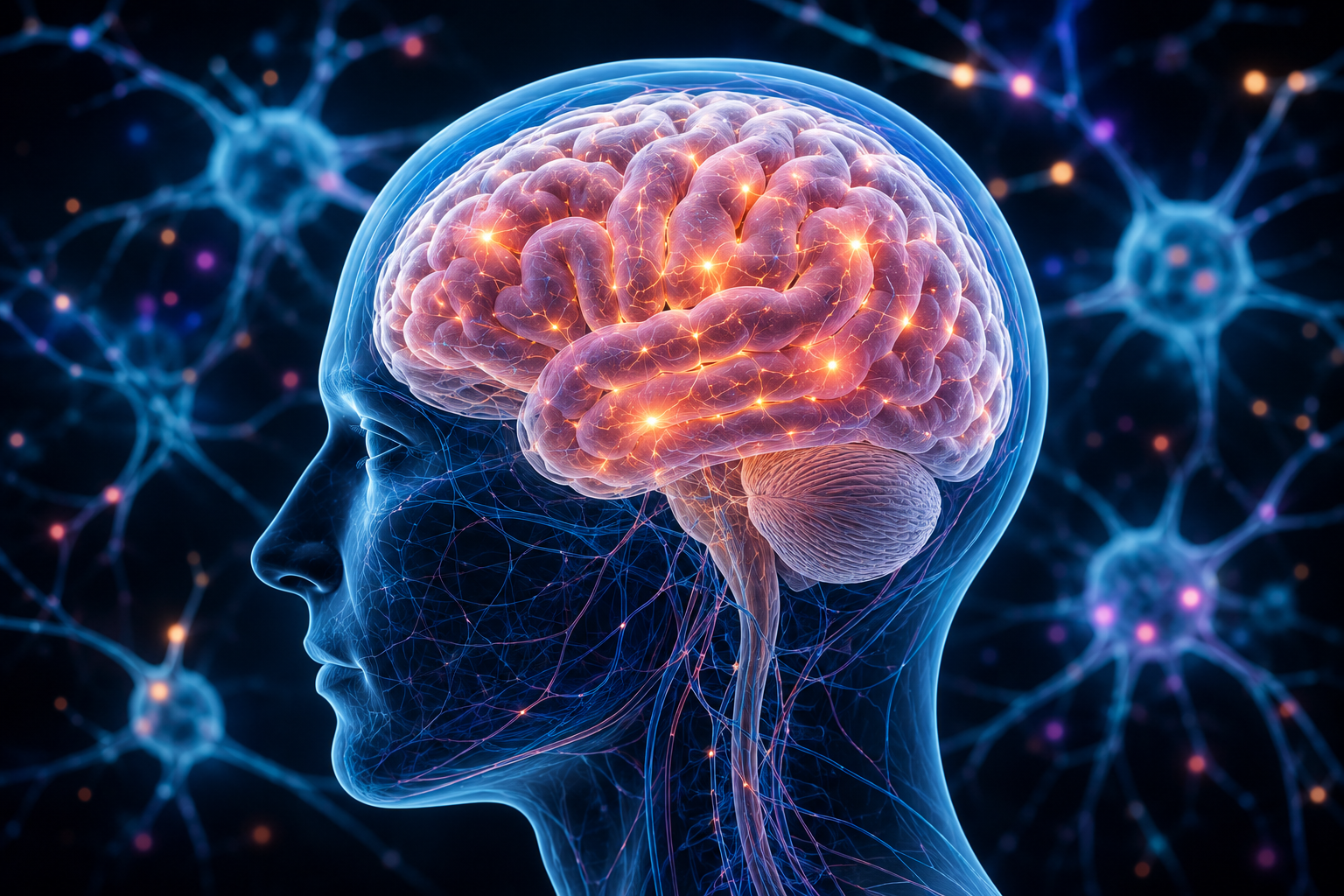
The human brain is one of the most complex and fascinating organs in the body. It controls everything you do—from breathing and thinking to dreaming, learning, and remembering. Despite decades of research, scientists are still uncovering new insights into how the brain works.
Here are 25 mind-blowing facts about the human brain that will change the way you think about your own mind.
1. Your Brain Contains Around 86 Billion Neurons
Neurons are specialized cells that transmit information throughout the brain/mind and nervous system. Together, they form an incredibly complex communication network.
2. The Brain Uses About 20% of Your Body’s Energy
Although it makes up only about 2% of your body weight, the brain consumes roughly one-fifth of your body’s energy.
3. Your Brain Never Truly Stops Working
Even while you’re asleep, your brain/mind remains active, processing memories, regulating body functions, and supporting dreams.
4. Memory Isn’t Like a Video Recording
Your brain reconstructs memories each time you recall them, which is why memories can change over time.
5. The Brain Can’t Feel Pain
Brain tissue itself has no pain receptors. That’s why certain brain surgeries can be performed while patients are awake, although surrounding tissues can still cause pain.
6. Learning Creates New Neural Connections
Every time you learn something new, your brain strengthens or forms new neural pathways—a process known as neuroplasticity.
7. Sleep Helps Strengthen Memory
During sleep, the brain/mind organizes information, removes waste products, and consolidates memories.
8. Your Brain Is Mostly Water
About 73% of the brain consists of water, making proper hydration important for normal brain function.
9. Stress Can Affect Memory
Long-term stress may interfere with learning, memory, and concentration if left unmanaged.
10. Exercise Benefits the Brain
Regular physical activity improves blood flow to the brain and supports cognitive health.
11. Reading Changes Your Brain
Reading regularly strengthens areas involved in language, imagination, and comprehension.
12. Music Activates Multiple Brain Regions
Listening to or playing music engages areas responsible for emotion, memory, movement, and hearing.
13. Your Brain Filters Most Information
Your senses receive enormous amounts of information every second, but your brain filters most of it to avoid overload.
14. The Brain Continues Developing into Your Mid-20s
The prefrontal cortex, responsible for decision-making and self-control, is among the last regions to fully mature.
15. Laughter Is Good for Brain Health
Laughing can reduce stress hormones and stimulate brain regions involved in emotion and social connection.
16. The Brain Adapts After Injury
Thanks to neuroplasticity, healthy parts of the brain can sometimes take over functions affected by injury, especially with rehabilitation.
17. Smells Can Trigger Powerful Memories
The brain’s smell-processing system is closely connected to areas responsible for memory and emotion.
18. Your Brain Generates Electrical Signals
Neurons communicate through tiny electrical and chemical signals that allow rapid information processing.
19. Multitasking Isn’t Always Efficient
Switching rapidly between tasks can reduce productivity and increase errors compared with focusing on one task at a time.
20. Meditation Can Change Brain Activity
Regular meditation has been associated with improvements in your mind attention, emotional regulation, and stress management.
21. The Brain Continues Learning Throughout Life
People of all ages can develop new skills and strengthen neural connections through continuous learning.
22. Social Interaction Supports Brain Health
Meaningful conversations and social engagement stimulate multiple cognitive processes and may support healthy aging.
23. Healthy Food Supports Brain Function
A balanced diet rich in fruits, vegetables, whole grains, healthy fats, and omega-3 fatty acids supports brain health.
24. Hydration Matters for Concentration
Even mild dehydration can affect attention, mood, and mental performance.
25. Scientists Are Still Discovering New Things About the Brain
Despite remarkable advances in neuroscience, many aspects of memory, consciousness, intelligence, and creativity remain active areas of research.
How to Keep Your Brain Healthy
Simple daily habits can support long-term brain health:
- Exercise regularly.
- Get 7–9 hours of sleep.
- Eat a balanced diet.
- Stay mentally active by reading or learning new skills.
- Manage stress through relaxation techniques.
- Stay socially connected.
- Avoid smoking and excessive alcohol consumption.
- Keep chronic conditions like high blood pressure and diabetes under control.
Conclusion
The human brain is an extraordinary organ that shapes every thought, memory, emotion, and action which have also some other mind-blowing facts. While scientists continue to unlock its mysteries, one thing is clear: healthy lifestyle habits play an important role in supporting brain function throughout life.
The more you challenge your brain/mind, care for your body, and stay curious, the better equipped your mind will be for years to come.
Disclaimer
This article is for educational and informational purposes only. It is not intended to diagnose, treat, or prevent any medical condition. If you have concerns about your brain health, memory, or neurological symptoms, consult a qualified healthcare professional.
Learn more about our site on contactarchive2in.com
Contact us on our email id contactarchive2in@gmail.com
Leave a Reply
You must be logged in to post a comment.