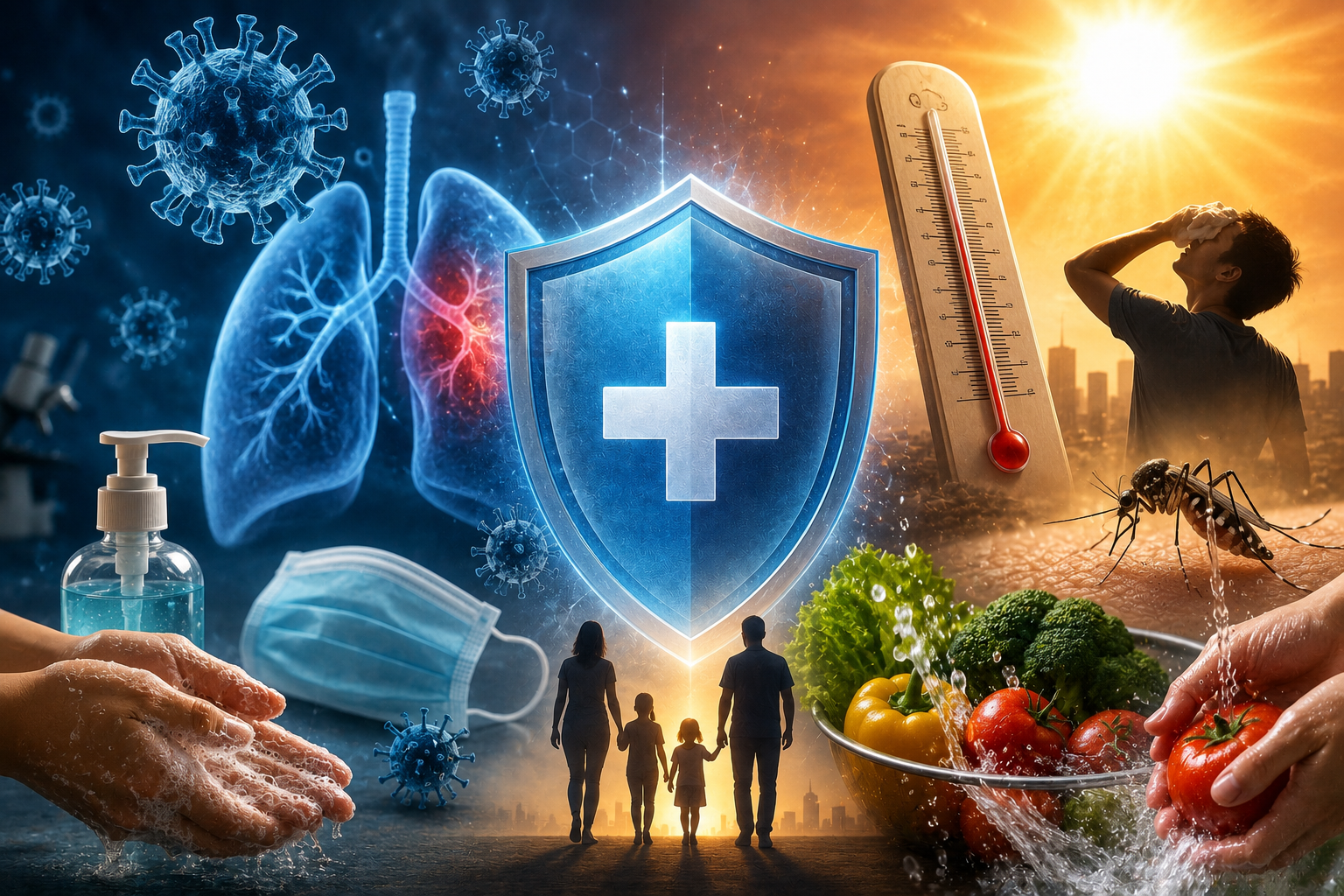
In today’s fast-changing world, health alerts can emerge with little warning. From infectious disease outbreaks and extreme weather to foodborne illnesses and air pollution, staying informed is one of the best ways to protect yourself and your family. While not every alert affects everyone, understanding the risks and following guidance from trusted health authorities can help reduce the chances of illness and improve overall preparedness.
Here are some of the most important health alerts people should know about in 2026 and practical steps you can take to stay safe.
1. Extreme Heat and Heatwaves
Extreme heat alert has become one of the biggest public health concerns worldwide. Many countries have experienced record-breaking temperatures, prompting emergency heatwave warnings. Prolonged exposure to high temperatures can cause dehydration, heat exhaustion, and even life-threatening heatstroke.
People at higher risk include older adults, infants, outdoor workers, athletes, and individuals with chronic medical conditions.
How to stay safe:
- Drink plenty of water throughout the day.
- Avoid outdoor activities during peak afternoon heat.
- Wear lightweight, breathable clothing.
- Stay in cool or air-conditioned places whenever possible.
- Never leave children or pets inside parked vehicles.
2. Foodborne Illnesses
Food contamination continues to cause millions of illnesses each year. Health authorities regularly investigate outbreaks linked to bacteria, viruses, and parasites such as Cyclospora, Salmonella, and E. coli.
Symptoms may include diarrhea, stomach cramps, nausea, vomiting, fever, and dehydration.
Reduce your risk by:
- Washing fruits and vegetables thoroughly.
- Cooking meat and seafood to safe temperatures.
- Avoiding cross-contamination between raw and cooked foods.
- Washing hands before preparing meals.
- Drinking clean and safe water.
3. Respiratory Infections
Respiratory illnesses such as seasonal influenza, COVID-19, RSV, and other viral infections continue to circulate globally. These infections spread mainly through respiratory droplets and close contact.
Common symptoms include:
- Fever
- Cough
- Sore throat
- Fatigue
- Shortness of breath
Simple preventive measures such as handwashing, staying home when sick, and maintaining good ventilation can significantly reduce transmission.
4. Mosquito-Borne Diseases
Diseases spread by mosquitoes remain a concern in many tropical and subtropical regions. Dengue, malaria, chikungunya, and Zika continue to affect millions of people every year.
Climate change and changing weather patterns have expanded mosquito habitats in some areas, increasing the risk of outbreaks.
Protect yourself by:
- Using insect repellents.
- Wearing long-sleeved clothing outdoors.
- Removing standing water around your home.
- Sleeping under mosquito nets where appropriate.
5. Air Pollution and Poor Air Quality
Air pollution remains one of the leading environmental health risks worldwide. Poor air quality can worsen asthma, allergies, heart disease, and chronic lung conditions.
People living in large cities should monitor daily air quality reports, especially during wildfire seasons or periods of heavy industrial pollution.
To reduce exposure:
- Limit outdoor exercise on high-pollution days.
- Use indoor air purifiers if needed.
- Wear a well-fitted mask when air quality is poor.
- Keep windows closed during severe pollution events.
6. Mental Health Awareness
Mental health continues to receive increased attention globally. Stress, anxiety, depression, and burnout affect people of all ages.
Ignoring mental health symptoms can impact physical health, relationships, and work performance.
Healthy habits include:
- Getting enough sleep.
- Exercising regularly.
- Maintaining social connections.
- Taking breaks from work and digital devices.
- Seeking professional support if symptoms persist.
Warning Signs You Should Never Ignore
While many illnesses are mild, certain symptoms require immediate medical attention.
Seek prompt medical care if you experience:
- Persistent high fever.
- Difficulty breathing.
- Chest pain.
- Severe dehydration.
- Sudden confusion.
- Loss of consciousness.
- Persistent vomiting or diarrhea.
- Sudden weakness or difficulty speaking.
Early diagnosis and treatment can often prevent serious complications.
Healthy Habits That Help Prevent Illness
Small daily habits can make a big difference in protecting your health.
Some of the most effective include:
- Washing your hands frequently with soap and water.
- Eating a balanced diet rich in fruits and vegetables.
- Drinking enough water every day.
- Exercising regularly.
- Sleeping 7–9 hours each night.
- Keeping vaccinations up to date.
- Avoiding tobacco and limiting alcohol consumption.
- Following official health advisories when traveling.
Why Health Alerts Matter
Health alerts are designed to provide early warnings about potential risks so individuals, healthcare providers, and governments can respond quickly. They are not meant to create panic but to encourage preventive action and informed decision-making.
Staying informed through reliable organizations such as national health departments and international public health agencies can help you separate facts from misinformation.
Conclusion
The health challenges/alert of 2026 highlight the importance of awareness, prevention, and preparedness. Whether it’s extreme heat, infectious diseases, food safety, air pollution, or mental well-being, taking simple preventive measures can significantly reduce your risk.
Remember that not every health alert will affect your region, but staying informed allows you to act quickly when needed. By practicing good hygiene, maintaining a healthy lifestyle, and relying on trusted health information, you can better protect yourself and your loved ones throughout the year.
Disclaimer
This article is for informational and educational purposes only and should not be considered medical advice, diagnosis, or treatment. Health alerts and disease situations may change over time and vary by region. Always consult a qualified healthcare professional for medical concerns and follow guidance from your local health authorities and organizations such as the World Health Organization (WHO) and the Centers for Disease Control and Prevention (CDC). In a medical emergency, seek immediate professional medical care.
Learn more about our site on contactarchive2in.com
Contact us our email id contactarchive2in@gmail.com
Leave a Reply
You must be logged in to post a comment.