
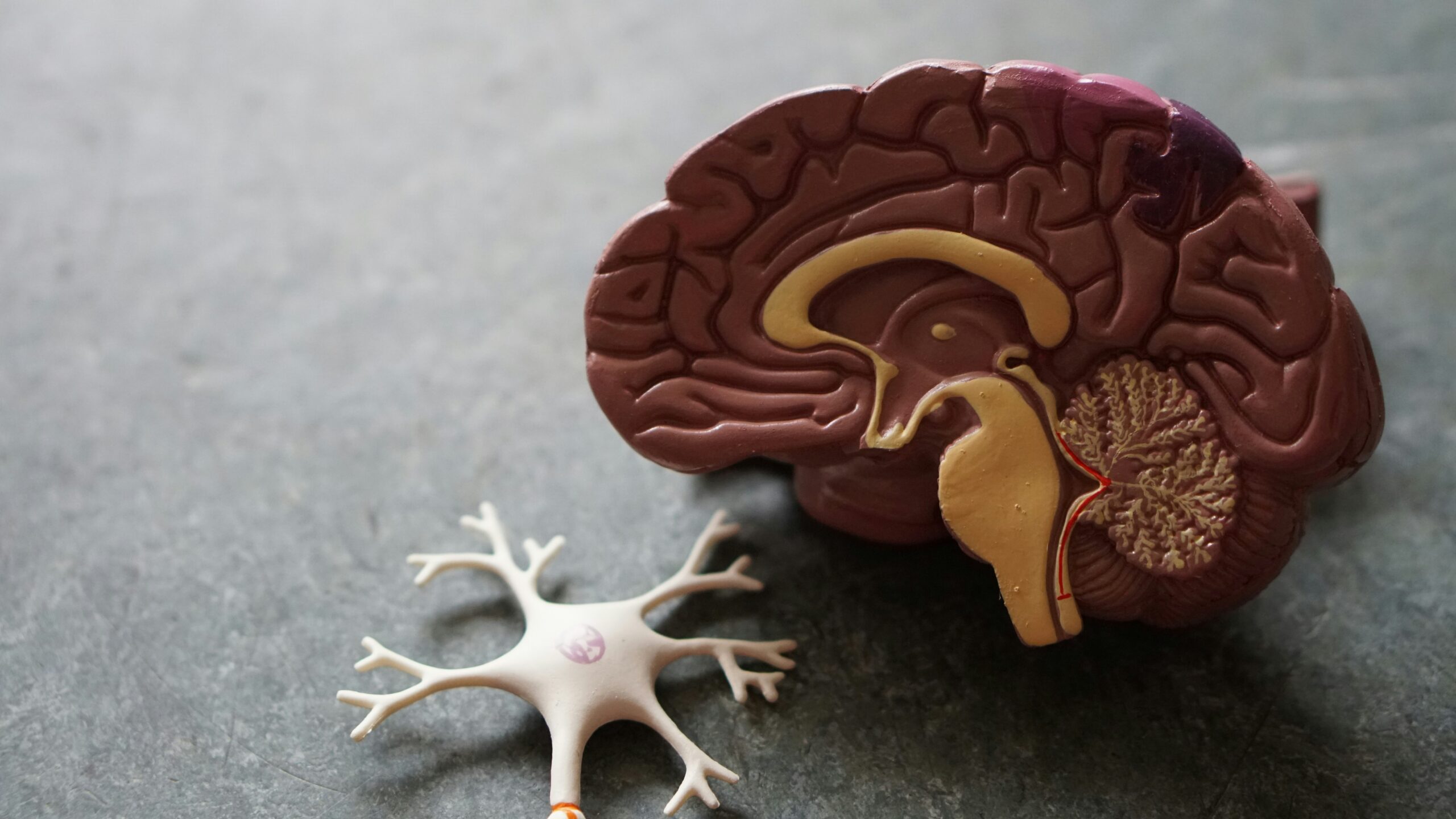
What you eat doesn’t just affect your body it directly shapes how well your brain functions. From memory and focus to mood and long-term cognitive protection, nutrition plays a bigger role in mental performance than most people realize. If you’re looking for foods that boost brain health, the good news is that many of them are simple, affordable, and already familiar to you.
Here are 10 foods backed by nutritional science that can help keep your brain sharp, focused, and protected over time.
1. Fatty Fish (Salmon, Mackerel, Sardines)
Fatty fish are rich in omega-3 fatty acids, which make up a large part of neural cell membranes. These healthy fats support the growth of new nerve cells and are linked to slower age-related mental decline.
Why it helps: Omega-3s support memory, learning, and overall cognitive structure.
2. Walnuts
Walnuts are one of the few nuts with a meaningful amount of plant-based omega-3s (ALA), along with antioxidants that help reduce inflammation in neural tissue.
Why it helps: Regular walnut consumption has been associated with improved cognitive performance in several studies.
3. Blueberries
Blueberries are packed with antioxidants called anthocyanins, which help reduce oxidative stress and inflammation two factors linked to cognitive aging and memory decline.
Why it helps: Some research suggests blueberries may delay mental aging and improve communication between nerve cells.
4. Turmeric
The active compound in turmeric, curcumin, has anti-inflammatory and antioxidant properties and may help boost levels of brain-derived neurotrophic factor (BDNF), a hormone that supports neural cell growth.
Why it helps: May support memory and reduce age related cognitive decline.
5. Broccoli
Broccoli is loaded with antioxidants and is high in vitamin K, which is known to support cognitive function.
Why it helps: Its compounds are linked to reduced inflammation and better mental performance over time.
6. Pumpkin Seeds
Pumpkin seeds contain important minerals for brain like zinc, magnesium, copper, and iron all of which play a role in nerve signaling, learning, and memory.
Why it helps: Zinc deficiency, in particular, has been linked to neurological issues when severely lacking.
7. Dark Chocolate
Dark chocolate (with high cocoa content) contains flavonoids, caffeine, and antioxidants that may improve brain memory and mood.
Why it helps: Flavonoids are known to support areas involved in learning and memory.
8. Oranges
A single orange can provide nearly all your daily vitamin C needs a nutrient essential for preventing mental decline as we age.
Why it helps: Vitamin C is a powerful antioxidant that helps protect nerve cells from damage.
9. Eggs
Eggs are a good source of several nutrients tied to cognitive health, including vitamin B6, B12, folate, and choline a nutrient your body uses to create acetylcholine, a neurotransmitter that regulates mood and memory.
Why it helps: Choline intake is directly linked to memory and cognitive performance.
10. Green Tea
Green tea contains caffeine and L-theanine, both of which can improve mental function together caffeine improves alertness while L-theanine helps increase calm focus.
Why it helps: Regular consumption is also linked to improved memory and reduced mental decline in some studies.
Simple Ways to Add These Foods to Your Diet
You don’t need a complete diet overhaul to benefit from these foods. A few easy habits can make a real difference:
- Swap a mid-day snack for a handful of walnuts or pumpkin seeds
- Add a serving of blueberries to breakfast
- Cook with turmeric a few times a week
- Replace sugary drinks with green tea
- Include fatty fish in meals twice a week
Final Thoughts
Cognitive wellness isn’t built overnight — it’s shaped by small, consistent choices over time. Adding these foods that boost brain health to your regular diet, alongside good sleep, physical activity, and stress management, can go a long way in supporting memory, focus, and long-term mental wellbeing.
If you have an existing health condition or are on medication, it’s a good idea to check with a doctor or dietitian before making major dietary changes.
Learn more about our site archive2in.com
Contact us on our email id contactarchive2in@gmail.com
Read out our latest articles on our BLOG section
Leave a Reply
You must be logged in to post a comment.