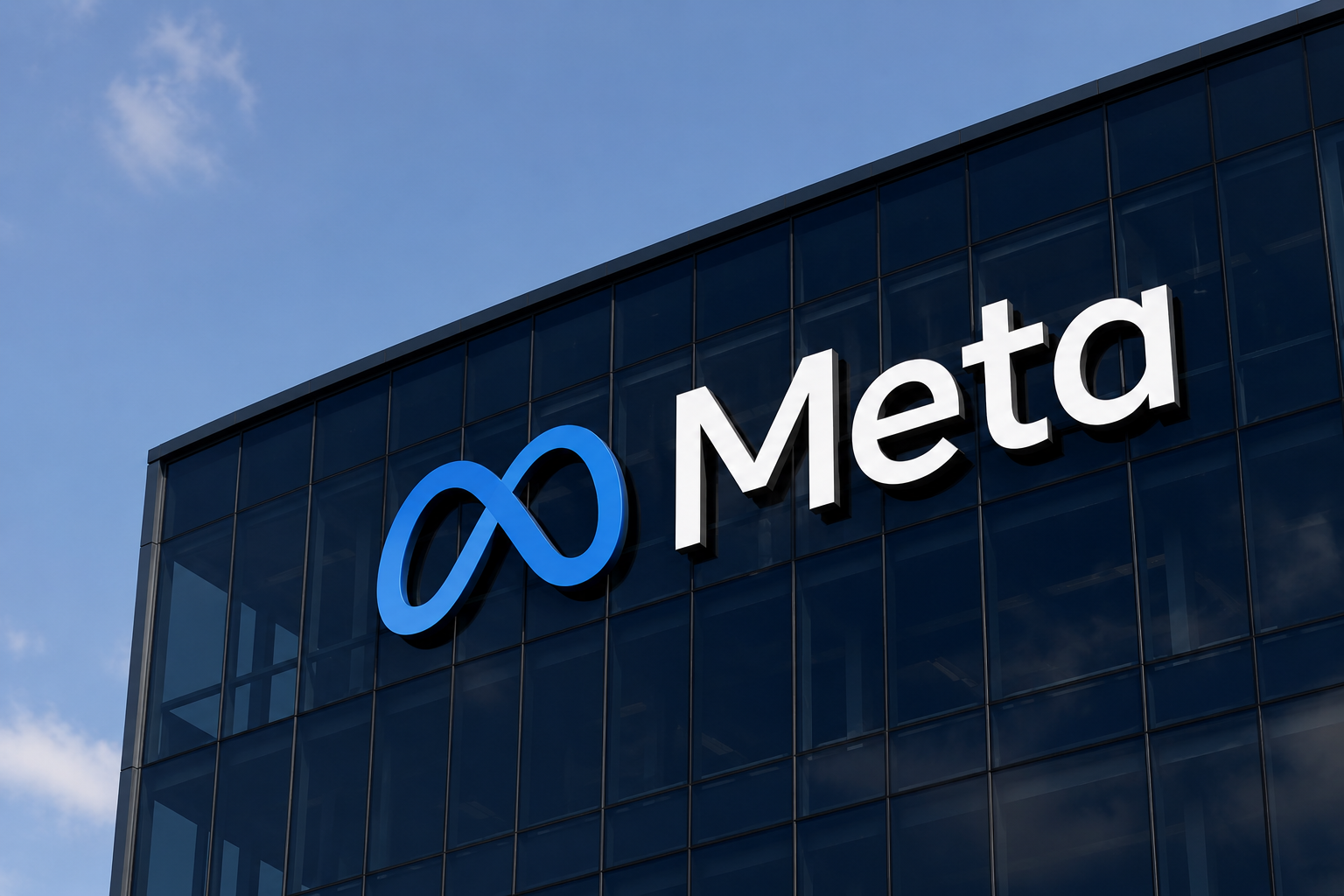
In a landmark decision that could reshape how social media platforms are held accountable for the well-being of young users, a New Mexico state court has ordered Meta Platforms Inc. to pay $567 million into a teen mental health fund. The ruling comes on top of an earlier $375 million civil penalty, bringing the company’s total liability in the case to $942 million.
The judgment is being viewed as one of the most significant legal actions against a major technology company over the impact of social media on children and teenagers. Beyond the financial penalty, the court also directed Meta to implement several safety measures designed to better protect minors using Facebook and Instagram. Meta has said it plans to appeal the decision.
Why did the court rule against Meta?
The case was brought by the New Mexico Department of Justice, which accused Meta of designing features that contributed to excessive use of its platforms by young people while failing to adequately protect them from harmful content and online exploitation.
Earlier in 2026, a jury found Meta liable for violating New Mexico’s consumer protection laws by misleading users about the safety of its platforms and endangering children. That verdict resulted in a $375 million civil penalty. The latest court order focuses on remedies intended to address the harm identified during the trial.
How will the $567 million be used?
According to the court’s ruling, the majority of the money—about $420 million—will fund mental health treatment services for young people in New Mexico.
The remaining funds will support:
- Mental health awareness programmes
- Prevention initiatives
- Screening services
- Community support efforts over the next five years
The aim is to provide resources for children and teenagers affected by mental health challenges while strengthening prevention and early intervention.
Court orders platform changes
The judgment goes beyond financial penalties.
Judge Bryan Biedscheid ordered Meta to introduce several child-safety measures across its platforms, including:
- Stronger age-verification systems
- Additional safeguards for interactions between adults and minors
- Educational safety notices for users
- Improved parental and privacy controls
- Restrictions on certain notifications and engagement features for younger users
- Additional protections involving AI-powered chatbot features
These measures are intended to reduce risks associated with excessive social media use and improve online safety for children.
Meta plans to appeal
Meta has rejected many of the allegations and announced that it intends to challenge the ruling.
The company says it has invested heavily in safety tools, content moderation, parental controls and technology designed to identify harmful behaviour on its platforms.
Meta also argues that the lawsuit misrepresents the company’s efforts to protect young users and raises legal issues involving federal law and constitutional protections.
Why this case matters
Legal experts believe the New Mexico decision could become an important precedent.
Many U.S. states have filed lawsuits against social media companies, alleging that addictive platform designs and inadequate child-safety protections contribute to mental health problems among young users.
Because New Mexico became one of the first states to secure a courtroom victory on these claims, the ruling may influence future cases involving technology companies and online platforms.
The wider debate over social media and mental health
Concerns about social media’s impact on young people have grown steadily over the past decade.
Researchers, educators, parents and policymakers continue to debate issues such as:
- Excessive screen time
- Algorithm-driven content recommendations
- Cyberbullying
- Exposure to inappropriate material
- Online predators
- Sleep disruption
- Anxiety, depression and body-image concerns
While studies have found associations between heavy social media use and some mental health challenges, experts also note that experiences vary significantly among individuals. Social media can provide educational opportunities, creative expression and community support for many users.
The challenge for policymakers is finding a balance between innovation, free expression and protecting children online.
What happens next?
Because Meta intends to appeal, the legal process is far from over.
Higher courts could uphold, modify or overturn parts of the ruling. Meanwhile, other lawsuits involving child safety and social media are continuing across the United States.
Regardless of the final outcome, the New Mexico case has already become a significant moment in the ongoing conversation about the responsibilities of technology companies toward younger users.
For social media platforms, the message from regulators and courts is becoming increasingly clear: protecting children online is no longer simply a matter of public relations—it is becoming a major legal and regulatory expectation.
Disclaimer
This article is intended for informational purposes only and is based on publicly reported court proceedings. The ruling discussed may be subject to appeal, modification or reversal through the judicial process. The article does not constitute legal advice, and readers should refer to official court documents and statements from the parties involved for the latest developments.
learn more about our site on contactarchive2in.com
Contact us on our email id contactarchive2in@gmail.com
Leave a Reply
You must be logged in to post a comment.