
Introduction
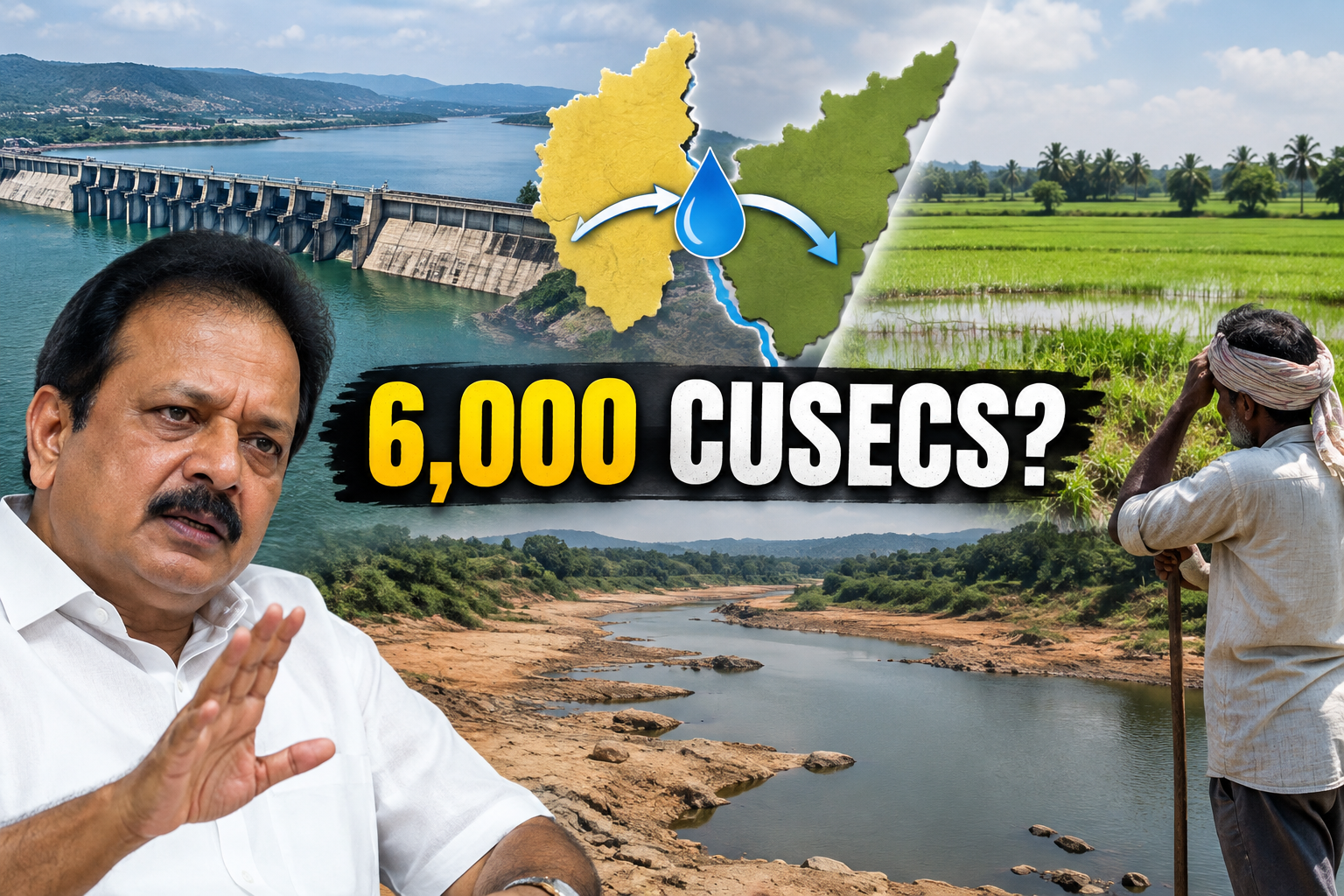
The decades-old Cauvery water dispute between Karnataka and Tamil Nadu has flared up again. On September 8, 2026, the Cauvery Water Regulation Committee (CWRC) directed Karnataka to release 6,000 cusecs of water daily to Tamil Nadu for 15 days, starting September 9. Karnataka has strongly objected to the order, with the state’s Water Resources Minister calling it “illogical” and “absurd,” and hinting that the state may approach the Supreme Court against the direction.
What Exactly Happened?
According to reports, the row began when Karnataka approached the Cauvery Water Management Authority (CWMA) on September 4, requesting a reduction in water release from 9,000 cusecs to just 2,000 cusecs, citing declining inflows into the Cauvery basin.
However, the CWRC, after reviewing rainfall data and crop conditions in the basin, took a different view. Instead of cutting the release as Karnataka wanted, it directed the state to release 6,000 cusecs of Cauvery water per day to Tamil Nadu for the next 15 days. This recommendation was subsequently upheld by the CWMA.
Notably, Tamil Nadu had originally demanded a much higher release of 17,000 cusecs, making the 6,000-cusecs figure something of a middle ground — one that Karnataka still finds unacceptable given the current ground realities.
Karnataka’s Reaction: “Even 6,000 Cusecs Is Impossible”
Karnataka’s Water Resources Minister, N. Cheluvarayaswamy, did not hold back in his response. Speaking to the media in Bengaluru, he argued that inflows into the Cauvery basin have dropped sharply over the past week, making it extremely difficult for the state to comply with the order. He described the situation as one of “distress” and said officials had presented this ground reality clearly during the CWRC meeting, but the panel’s decision failed to reflect it.
The minister also took aim at the decision-making process itself, suggesting that authorities based in Delhi are disconnected from the realities on the ground in the Cauvery basin. He indicated that the state is exploring the option of challenging the order before the Supreme Court.
Why Is This Dispute So Sensitive?
The Cauvery water-sharing issue has been a recurring flashpoint between Karnataka and Tamil Nadu for years, and it tends to intensify whenever monsoon rainfall is poor or unevenly distributed across the river basin. A few reasons this dispute keeps resurfacing:
- Agricultural dependence: Farmers in both states rely heavily on Cauvery water for irrigation, particularly for water-intensive crops.
- Drinking water needs: Both states also need to secure the river’s water for their urban and rural drinking water supply.
- Fluctuating rainfall: Inconsistent monsoon patterns mean inflows into reservoirs like the KRS Dam can vary sharply from year to year, and even week to week.
- Political sensitivity: Water-sharing decisions often carry heavy political weight in both states, with opposition parties and farmer groups closely watching every directive.
What Could Happen Next?
With Karnataka reportedly weighing a legal challenge, the matter could soon head to the Supreme Court, which has intervened in Cauvery-related disputes multiple times in the past. Meanwhile, the state government will need to decide how to balance:
- Compliance with the CWRC/CWMA directive
- Its own drinking water and irrigation commitments
- The concerns of farmers and opposition parties who may oppose any water release
The coming days are likely to see further statements from both states, along with possible protests from farmer groups in Karnataka’s Cauvery basin districts, a pattern that has repeated in previous years whenever release orders have been issued.
Conclusion
This latest flashpoint in the Cauvery water dispute underscores just how contentious river water-sharing remains between Karnataka and Tamil Nadu. With Karnataka calling the 6,000-cusecs order unworkable and hinting at a Supreme Court challenge, the situation is still evolving. As things develop, expect further directives from the CWRC/CWMA and possibly renewed legal proceedings in the top court.
Learn more about our site archive2in.com
Contact us on our email id contactarchive2in@gmail.com
Read out our latest artice on our blog section
Leave a Reply
You must be logged in to post a comment.