
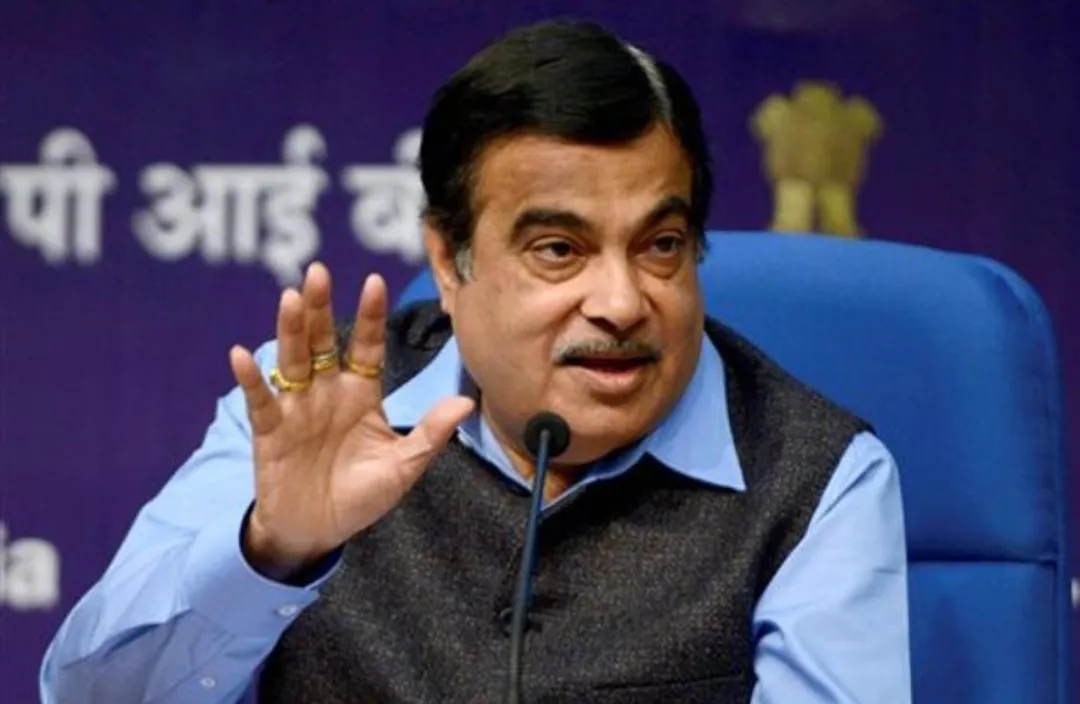
Union Road Transport and Highways Minister Nitin Gadkari has addressed the ongoing controversy over India’s E20 ethanol-blended petrol, acknowledging that vehicle mileage may see a slight reduction while firmly rejecting claims that the fuel is damaging cars and bikes across the country.
What Gadkari Actually Said
In a conversation, Gadkari admitted that ethanol’s lower calorific value compared to petrol could lead to a marginal drop in fuel efficiency. However, he was quick to add that mileage depends on multiple factors beyond fuel composition alone, particularly driving conditions. He pointed out that vehicles in cities like Delhi and Mumbai often run in lower gears due to constant stop-and-go traffic, which itself affects mileage regardless of fuel type.
At the same time, the minister strongly pushed back against a wave of social media claims alleging that E20 fuel damages engines. He challenged critics to produce concrete proof, saying no verified case of vehicle damage linked to E20 has come to the government’s attention. He described the online backlash as part of a coordinated false narrative rather than a genuine technical issue.
Why the E20 Rollout Has Sparked Debate
E20 petrol, which contains a 20% ethanol blend, was rolled out nationwide in 2025 five years ahead of the government’s original target. The move is central to India’s broader energy strategy aimed at cutting dependence on imported crude oil, reducing carbon emissions, and boosting incomes for sugarcane farmers who supply ethanol feedstock
However, since the rollout, many vehicle owners have reported concerns about reduced mileage and possible long-term wear on engine components, especially in older vehicles not originally designed for higher ethanol blends. Some of this criticism escalated further online, prompting pushback from both automakers and government officials.
Government’s Defence: Testing and Component Fixes
Gadkari noted that the E20 programme was introduced only after extensive testing by the Automotive Research Association of India (ARAI) and vehicle manufacturers, with test vehicles covering close to one lakh kilometers without showing significant performance issues. He said investigations into a few reported problem cases actually traced the cause to fuel adulteration rather than ethanol blending itself.
To address compatibility concerns in older vehicles, the minister said manufacturers have been directed to replace certain components such as metal washers with rubber ones during routine servicing, at no extra cost to consumers.
Industry Also Backs the Programme
Leading automobile manufacturers and energy experts have echoed the government’s position, stating that years of scientific testing have found no credible evidence linking E20 fuel to abnormal engine wear, even in vehicles built before the ethanol mandate took effect. Several manufacturers, including Tata Motors, Mahindra, Hyundai, Toyota Kirloskar, and Maruti Suzuki, are reportedly developing flex-fuel models designed to run efficiently on higher ethanol blends.
Gadkari also referenced international precedent, citing Brazil’s decades-long use of a 27% ethanol-petrol blend without major reported issues, as evidence that higher ethanol content need not compromise vehicle performance when properly managed.
Looking Ahead
Beyond defending E20, Gadkari used the opportunity to outline India’s broader push toward alternative fuels, including iso-butanol for diesel-powered machinery and methanol-blended fuel for buses and marine engines. He argued that recent geopolitical tensions affecting global oil supply chains have reinforced the urgency of reducing India’s reliance on imported fossil fuels.
While the debate Gadkari said over E20’s real-world impact on vehicles is likely to continue, the government appears firm in its stance: mileage may dip slightly, but claims of widespread vehicle damage remain, in its view, unsubstantiated. With plans already underway to explore even higher ethanol blends such as E85 and E100, the coming months could see the controversy resurface as India’s ethanol-blending journey moves into its next phase.
Learn more about our site archive2in.com
Contact us on contactarchive2in@gmail.com
Read out our latest article :How AI is changing healthcare in 2026
Leave a Reply
You must be logged in to post a comment.