
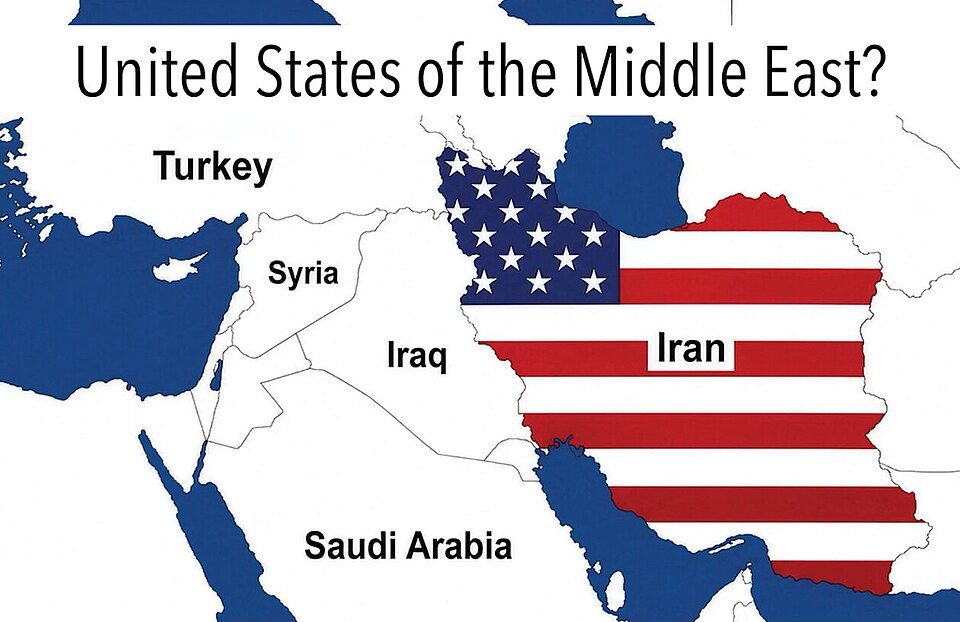
The ongoing Iran-US war in West Asia isn’t just shaking up the Gulf region it’s rattling economies worldwide. Ever since the Strait of Hormuz the waterway that carries nearly 20% of the world’s crude oil and LNG supply was shut down, crude oil prices, the rupee, and Indian stock markets have seen sharp volatility.
In this blog, we break down exactly how this conflict is affecting India’s economy, your wallet, and your investments.
The Iran-US War: What’s Happened So Far?
This conflict, which began in February 2026 following US Israel strikes, has dragged on for months. An interim ceasefire agreement was signed in between, but it has broken down repeatedly. Recent developments include:
- Iran declared the Strait of Hormuz closed “until further notice” and attacked commercial vessels passing through the route.
- In response, the US launched large-scale strikes on Iran’s southern coast over 300 targets hit in a single week.
- Iran retaliated by launching missile and drone attacks on US military bases in Jordan, Bahrain, Kuwait, Qatar, and Oman.
This tit-for-tat escalation war is still ongoing, with no clear signs of it slowing down.
Impact on Crude Oil Prices: How Big Is This Crisis?
The International Energy Agency (IEA) has called this the “largest supply disruption” in the history of the global oil market. Some key numbers:
- Right after the war began, Brent crude surged 10-13% to around $80-82 per barrel.
- Prices later cooled to around $70, but with the latest escalation, crude has jumped as much as 7% in a single day.
- Analysts warn that if the disruption continues, oil could climb as high as $100 per barrel potentially adding 0.8% to global inflation.
Asia is bearing the brunt of this crisis, since 84% of crude and 83% of LNG exported from the Gulf flows to Asia with China, India, Japan, and South Korea being the largest importers.
How Is India Being Affected?
India imports roughly 50% of its crude oil from the Middle East, which makes this conflict a direct hit to the domestic economy.
1. Pressure on Petrol, Diesel, and LPG Prices
To keep fuel prices in check, the government had already cut excise duty by ₹10 per litre. LPG, India’s primary cooking fuel 60% of which is imported via the Hormuz route was among the first to feel the pinch, with reports of supply delays and long queues in several areas.
2. Sharp Stock Market Sell-off
When former US President Trump declared the interim peace deal “over,” markets reacted instantly:
Sensex crashed 1,677 points (2.15%) in a single day Nifty tumbled 2.12% Investors lost nearly ₹9 lakh crore in wealth in one trading session India VIX (volatility index) spiked 30%, signaling rising fear in the market
3. Pressure on the Rupee
Rising crude import bills have weakened the rupee against the dollar, with the currency trading near its weakest levels in recent weeks. A weaker rupee means costlier imports and added pressure on inflation.
4. Gold Shines Brighter
During periods of geopolitical uncertainty, investors typically flock to safe-haven assets like gold. That trend is playing out again, with gold prices showing renewed upward momentum.
5. India’s Workaround: Increased Imports from Russia
With Middle East supply disrupted, Indian refiners have ramped up crude purchases from Russia to maintain domestic fuel availability. As the world’s 4th-largest oil refining capacity holder, India has been able to lean on this strategic flexibility to cushion the blow.
What Does This Mean for Investors?
Market volatility naturally rises during periods of geopolitical tension. A few things worth keeping an eye on (this is general information, not investment advice):
- Import-heavy sectors (aviation, paints, tyres) could see rising cost pressures
- Energy and defence-linked stocks may see differentiated movement
- Gold and other safe-haven assets typically see sustained demand during volatile periods
- Market volatility (VIX) is likely to remain elevated in the near term
Always consult your financial advisor before making any investment decisions, as market conditions are changing rapidly.
What Could Happen Next?
The IEA has warned that a prolonged escalation could delay global efforts to rebuild oil inventories. Diplomatic efforts including mediation attempts involving Qatar are ongoing, but strikes continue from both sides, meaning the near-term outlook remains highly unpredictable.
Conclusion
The Iran-US war is no longer just a regional conflict its effects are directly reaching your fuel bills, your investments, and the broader economy. Crude oil prices, the rupee’s movement, and stock market volatility are all part of one connected chain stemming from this West Asia crisis.
How the situation evolves in the coming weeks will determine whether this remains a short-term shock or turns into a long-term challenge for India’s economy.
Learn more about our site archive2in.com
Contact us on contactarchive2in@gmail.com
Leave a Reply
You must be logged in to post a comment.