
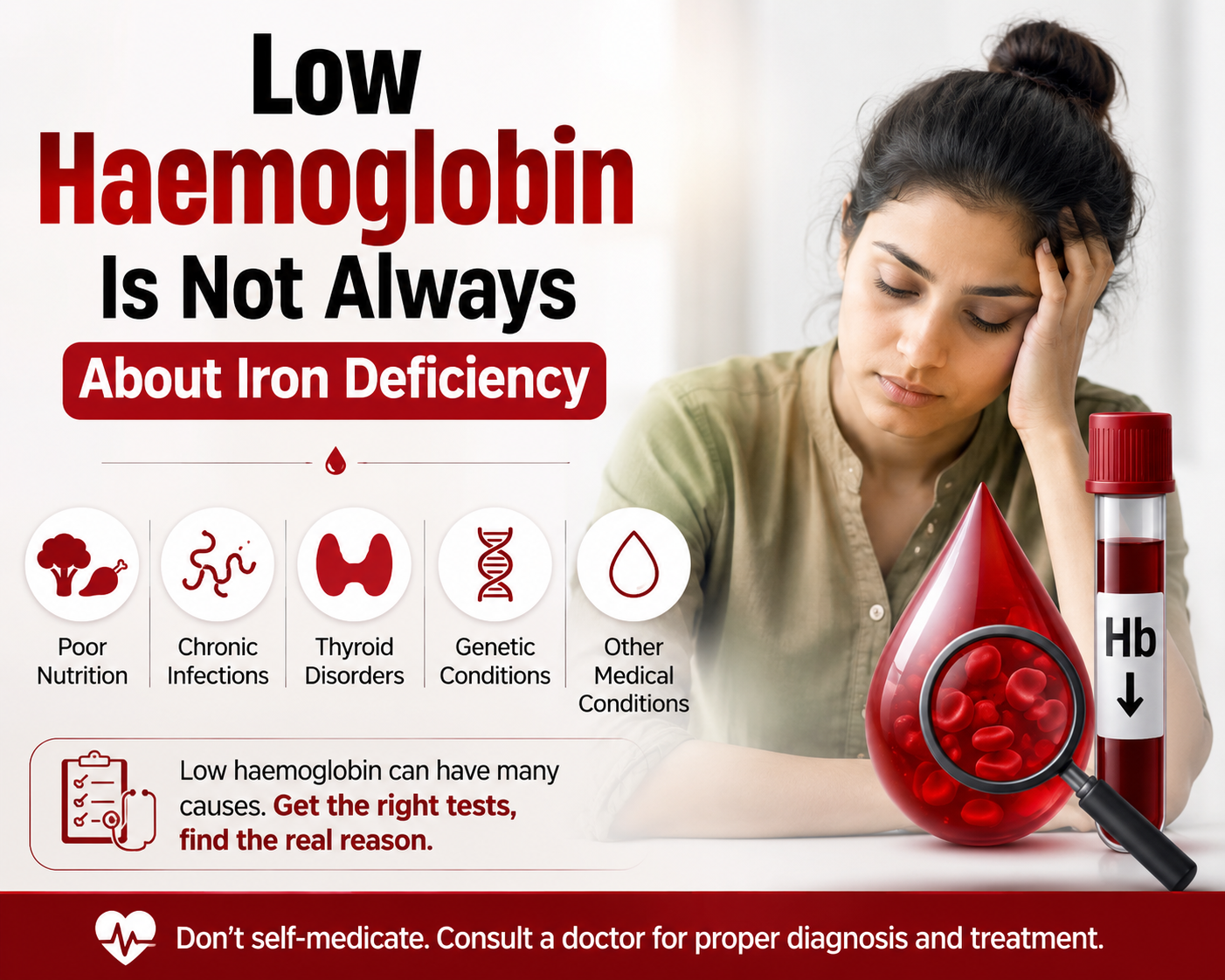
When a blood test shows low haemoglobin, the first thing most people assume is iron deficiency. Pop an iron tablet, eat more spinach, and the problem should sort itself out right? Not always. While iron deficiency is indeed the most common cause of low haemoglobin, it is far from the only one. Understanding the other possible causes can make the difference between actually fixing the problem and simply masking it.
What Is Haemoglobin and Why It Matters
Haemoglobin is the protein in red blood cells responsible for carrying oxygen from your lungs to the rest of your body. When haemoglobin levels drop below normal, a condition called anemia, your body doesn’t get enough oxygen, leading to fatigue, weakness, and other symptoms.
Normal haemoglobin ranges are generally:
- Men: approximately 13.5 to 17.5 g/dL
- Women: approximately 12 to 15.5 g/dL
(These ranges can vary slightly depending on the lab and individual factors like age and pregnancy.)
Beyond Iron: Other Causes of Low Haemoglobin
1. Vitamin B12 and Folate Deficiency
Vitamin B12 and folate (Vitamin B9) are essential for producing healthy red blood cells. A deficiency in either can lead to a type of anemia that looks similar to iron-deficiency anemia on the surface but requires completely different treatment. This is especially common among vegetarians and vegans, since B12 is primarily found in animal products.
2. Chronic Kidney Disease
The kidneys produce a hormone called erythropoietin, which signals the bone marrow to make red blood cells. When kidney function declines, erythropoietin production drops, and so does haemoglobin — regardless of how much iron is in the diet.
3. Chronic Inflammatory Conditions
Long-term illnesses such as rheumatoid arthritis, inflammatory bowel disease, and certain infections can lead to a condition known as “anemia of chronic disease.” Here, the body has enough iron stored but struggles to use it effectively due to ongoing inflammation.
4. Bone Marrow Disorders
Since red blood cells are produced in the bone marrow, conditions that affect the marrow itself — such as aplastic anemia, leukemia, or other blood cancers can significantly lower haemoglobin levels, independent of iron intake.
5. Hemolytic Anemia
This occurs when red blood cells are destroyed faster than the body can replace them. Causes include autoimmune disorders, G6PD deficiency, and inherited conditions like sickle cell disease.
6. Genetic Blood Disorders
Conditions such as thalassemia and sickle cell anemia are inherited and directly affect the structure or production of haemoglobin. These require specialized management, and iron supplementation can sometimes even be harmful in certain types of thalassemia.
7. Hormonal Imbalances
An underactive thyroid (hypothyroidism) can slow down the body’s metabolic processes, including red blood cell production, resulting in lower haemoglobin levels.
8. Chronic Blood Loss
Heavy menstrual periods, ulcers, or piles can cause a slow, ongoing loss of blood that eventually depletes iron stores. In these cases, iron supplements may help temporarily, but the underlying source of blood loss still needs to be identified and treated.
9. Pregnancy
During pregnancy, blood volume increases significantly, which can dilute haemoglobin concentration even if actual red blood cell counts are relatively normal. This is sometimes called “dilutional anemia.”
10. Certain Medications and Alcohol Use
Chemotherapy drugs, some antibiotics, and excessive alcohol consumption can all interfere with red blood cell production or survival.
Why This Matters
Treating every case of low haemoglobin with iron supplements alone can be misleading — and in some cases, unhelpful or even harmful. If the actual cause is a B12 deficiency, thyroid issue, chronic disease, or genetic disorder, iron won’t fix the problem, and valuable time may be lost in identifying and treating the real underlying condition.
This is why doctors often recommend a broader set of tests beyond just a basic haemoglobin check, including:
- Complete Blood Count (CBC)
- Serum Ferritin (iron stores)
- Vitamin B12 and Folate levels
- Thyroid Function Test
- Kidney function tests, if relevant
When to See a Doctor
Consider consulting a healthcare provider if you experience:
- Persistent fatigue or weakness
- Unusual paleness of skin or nails
- Shortness of breath during routine activities
- Dizziness or rapid heartbeat
- Haemoglobin levels that don’t improve despite taking iron supplements
The Bottom Line
Low haemoglobin is a symptom, not a diagnosis in itself. While iron deficiency remains the most common culprit, it’s important to look at the bigger picture before jumping to conclusions. A proper diagnostic workup helps identify the actual root cause, ensuring that treatment addresses the real problem rather than just the numbers on a lab report.
Learn more about our site archive2in.com
Contact us on contactarchive2in@gmail.com
Read out latest Blog on our site
Leave a Reply
You must be logged in to post a comment.