
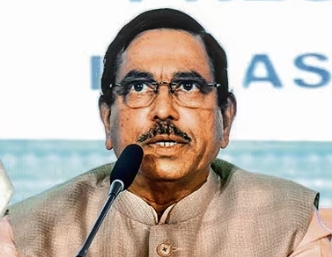
A significant leadership change is expected in India’s education landscape as Pralhad Joshi is set to take charge of the Ministry of Education following the exit of Dharmendra Pradhan. The transition marks a new chapter for one of the country’s most important ministries, which oversees school education, higher education, digital learning, skill development initiatives, and the implementation of key reforms under the National Education Policy (NEP) 2020.
As India continues to focus on improving learning outcomes, expanding access to higher school, and strengthening research and innovation, the appointment of a new Education Minister has attracted widespread attention.
A New Chapter for the Education Ministry
Leadership changes within major ministries often bring fresh perspectives and policy priorities. The Education Ministry plays a crucial role in shaping the future of millions of students, teachers, and institutions across the country.
The ministry is responsible for overseeing:
- School
- Higher school
- National Education Policy (NEP) implementation
- Digital education initiatives
- Research and innovation
- Scholarships and educational welfare schemes
- Coordination with universities and regulatory bodies
The incoming minister is expected to continue ongoing reforms while addressing emerging challenges in India’s education ecosystem.
Dharmendra Pradhan’s Tenure
During his tenure as Education Minister, Dharmendra Pradhan oversaw several important initiatives aimed at modernizing India’s education system.
Some key areas of focus included:
- Implementation of the NEP 2020
- Promotion of multidisciplinary
- Expansion of digital learning platforms
- Skill development and vocational studies
- Strengthening higher institutions
- Encouraging innovation and research
His tenure also emphasized increasing the use of technology in classrooms and improving access to quality studies across the country.
What Pralhad Joshi Brings to the Role
Pralhad Joshi has served in several important positions within the Union Government and has extensive experience in public administration.
As he assumes responsibility for the Ministry, stakeholders will closely watch how he approaches issues such as:
- Improving learning quality
- Expanding access to higher studies
- Supporting teachers and institutions
- Promoting digital school
- Strengthening research and innovation
- Enhancing employability through skill-based studies
His leadership is expected to build upon existing reforms while responding to new educational needs.
Key Challenges Ahead
India’s sector continues to evolve rapidly, creating both opportunities and challenges.
Some of the major priorities include:
NEP Implementation
The successful rollout of NEP 2020 remains one of the ministry’s biggest responsibilities.
The policy aims to transform higher studies by promoting flexibility, multidisciplinary learning, and improved foundational literacy.
Digital Learning
Online studies has become an important part of India’s learning ecosystem.
Future efforts may focus on:
- Better digital infrastructure
- Improved internet access
- AI-enabled learning tools
- Teacher training
- Digital inclusion in rural areas
Higher Education Reforms
Universities continue to seek improvements in:
- Research funding
- International collaboration
- Academic quality
- Innovation ecosystems
- Industry partnerships
These areas are expected to remain important priorities.
Students and Teachers at the Center
Millions of students and educators are directly affected by decisions made by the Ministry.
Policy initiatives often influence:
- Curriculum development
- Entrance examinations
- Scholarships
- Teacher recruitment
- Skill development programs
- Educational technology adoption
Ensuring equitable access to quality studies across urban and rural India will remain an important objective.
Focus on Research and Innovation
India has been working to strengthen its position as a global innovation hub.
The Ministry plays a vital role by encouraging:
- Scientific research
- University-industry collaboration
- Startup incubation
- Innovation centers
- International academic partnerships
Greater investment in research could enhance India’s competitiveness in science and technology.
Looking Ahead
The leadership transition comes at a time when studies is increasingly connected with technology, artificial intelligence, digital skills, and workforce development.
Future priorities may include:
- Accelerating NEP implementation
- Expanding digital study initiatives
- Improving quality
- Strengthening vocational training
- Supporting innovation-driven universities
- Increasing global academic collaboration
The direction taken by the new leadership will shape the experiences of millions of learners across the country.
Conclusion
Pralhad Joshi’s expected appointment as India’s Education Minister represents an important leadership transition for a ministry central to the nation’s future. Building on the reforms initiated under Dharmendra Pradhan, the new leadership will face the challenge of balancing continuity with innovation while addressing the evolving needs of students, teachers, and institutions.
As India continues its journey toward becoming a global knowledge economy, the Ministry’s policies will play a crucial role in developing skilled talent, promoting research, and ensuring inclusive, high-quality education for all.
Disclaimer
This article is for informational purposes only and is based on publicly available reports and official announcements available at the time of writing. Ministerial appointments, portfolios, and government decisions are subject to official confirmation and may change. Readers should refer to official Government of India notifications for the latest updates.
Learn more about our site on contactarchive2in.com
Contact us on our site contactarchive2in@gmail.com
Leave a Reply
You must be logged in to post a comment.