
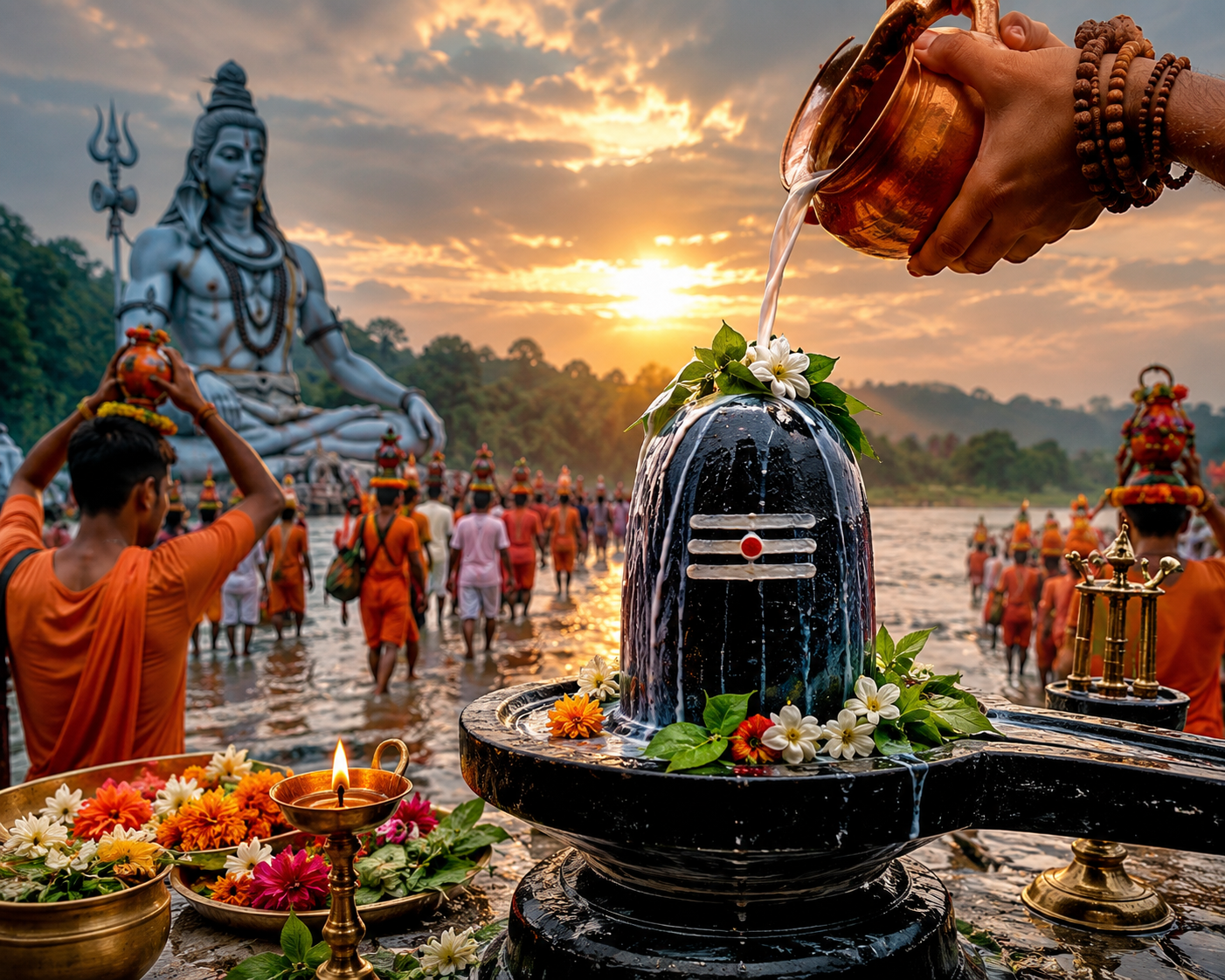
The arrival of Sawan, also known as Shravan, marks one of the most sacred periods in the Hindu calendar. Dedicated to Lord Shiva, this auspicious month is observed with deep devotion across India and by Hindu communities worldwide. Temples come alive with chants of “Har Har Mahadev,” devotees observe fasts, and millions offer holy water and bel patra (bael leaves) to Shiva Lingams, seeking blessings for health, prosperity, and spiritual growth.
It is more than a religious observance—it’s a celebration of faith, self-discipline, devotion, and inner peace.
What Is Sawan?
Sawan is the fifth month of the Hindu lunar calendar and usually falls between July and August. The exact start and end dates vary depending on regional calendars such as the Purnimanta and Amanta systems.
Throughout this month, devotees dedicate themselves to worshipping Lord Shiva, believing that prayers offered during Sawan carry special significance.
Why Is Sawan Dedicated to Lord Shiva?
According to Hindu mythology, during the Samudra Manthan (Churning of the Ocean), a deadly poison called Halahala emerged and threatened to destroy the universe.
To protect creation, Lord Shiva consumed the poison and held it in his throat, which turned blue, earning him the name Neelkanth.
It is believed that devotees offered water to Shiva to reduce the burning effect of the poison. This tradition continues today, with worshippers performing Jal Abhishek by offering water, milk, honey, curd, and sacred leaves to the Shiva Lingam.
The Importance of Sawan Mondays
Mondays, known as Sawan Somwar, hold special significance during this holy month.
Many devotees observe fasts on every Monday to seek:
- Good health
- Peace of mind
- Family happiness
- Financial prosperity
- Spiritual growth
- A suitable life partner
Married women pray for the long life and well-being of their husbands, while unmarried devotees often seek blessings for a harmonious marriage.
Popular Rituals During Sawan
Devotees observe various religious practices throughout the month, including:
- Visiting Shiva temples
- Performing Rudrabhishek
- Offering water, milk, and bael leaves
- Chanting “Om Namah Shivaya”
- Reading Shiva Purana
- Observing Somwar fasts
- Participating in Kanwar Yatra
- Practicing meditation and charity
These rituals symbolize devotion, gratitude, and purification of the mind and soul.
The Kanwar Yatra
One of the most visible traditions during Sawan is the Kanwar Yatra.
Millions of devotees, known as Kanwariyas, travel on foot to collect holy water from sacred rivers such as the Ganga. They carry the water in decorated bamboo structures called Kanwar’s and offer it to Lord Shiva at temples upon completing their pilgrimage.
The journey represents faith, endurance, and devotion.
Spiritual Lessons of Sawan
Beyond rituals, Sawan encourages people to embrace values such as:
- Patience
- Humility
- Compassion
- Self-control
- Forgiveness
- Simplicity
Many devotees choose to avoid negative habits, adopt vegetarian diets, practice meditation, and engage in charitable activities during the month.
Environmental Connection
Sawan coincides with the monsoon season in much of India, bringing greenery, fresh rainfall, and renewed life to nature.
This connection between spirituality and the natural world reminds devotees of the importance of preserving the environment and living in harmony with nature.
Many temples and communities also organize tree-planting drives and environmental awareness campaigns during this period.
Celebrations Across India
Although the core devotion remains the same, Sawan is celebrated differently across various regions.
Some states organize grand temple festivals, while others host devotional music programs, processions, and community prayers.
Famous Shiva temples often witness large gatherings of devotees who travel long distances to seek blessings.
The month also inspires vibrant markets selling flowers, prayer items, traditional sweets, and offerings for temple rituals.
The Modern Relevance of Sawan
In today’s fast-paced world, Sawan offers an opportunity to slow down and reconnect with spiritual values.
Whether through prayer, meditation, charity, or spending time with family, the month encourages individuals to cultivate inner peace and gratitude.
Even those who may not observe every traditional ritual often use the period as a time for reflection, personal growth, and positive lifestyle changes.
Conclusion
Sawan is one of the most cherished months in the Hindu calendar, bringing together faith, devotion, and community. From fasting on Sawan Mondays to participating in the Kanwar Yatra and offering prayers to Lord Shiva, millions observe the month with unwavering devotion.
Beyond its religious importance, Sawan reminds us of timeless values—compassion, discipline, gratitude, and harmony with nature. As devotees welcome this sacred month, it serves as a meaningful opportunity to strengthen both spiritual and personal well-being.
Disclaimer
This article is intended for informational and cultural purposes only. Religious beliefs, rituals, and observances related to Sawan may vary by region, tradition, and community. Readers are encouraged to follow local customs and consult their family or religious guides for specific practices and dates.
Learn more about our site on contactarchive2in.com
Contact us on our email id contactarchive2in@gmail.com
Leave a Reply
You must be logged in to post a comment.