
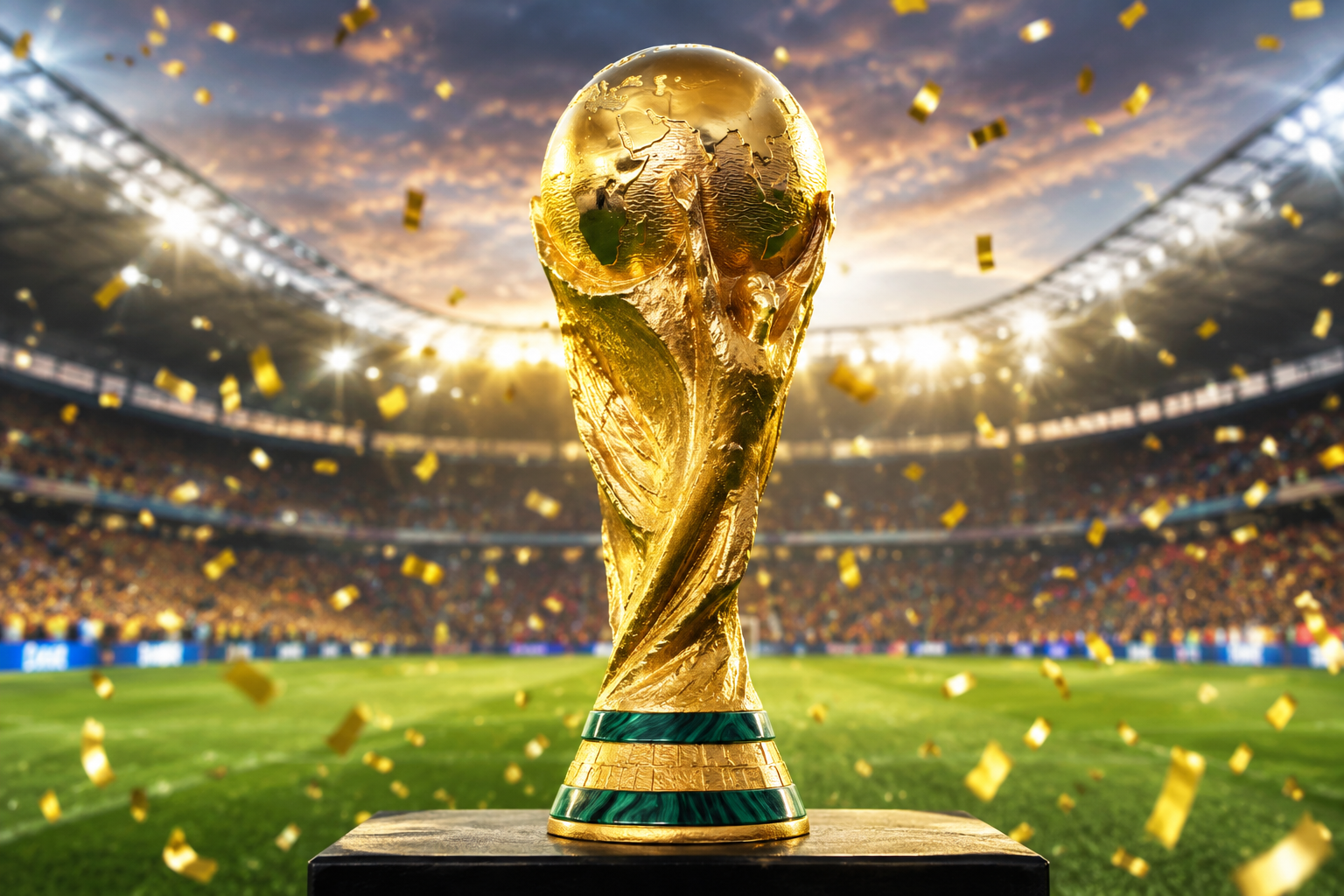
Football fans witnessed a historic night as Spain defeated defending champions Argentina 1-0 after extra time to win the FIFA World Cup 2026. In a tense final played at MetLife Stadium in New Jersey, substitute Ferran Torres became Spain’s unlikely hero by scoring the decisive goal in the 106th minute, ending Argentina’s title defense and securing Spain’s second FIFA World Cup trophy.
The victory capped off an outstanding tournament for Spain, whose disciplined football, midfield dominance, and defensive resilience proved too much for every opponent they faced.
A Final That Lived Up to the Hype
The 2026 FIFA World Cup Final brought together two football giants. Spain entered the match as European champions, while Argentina arrived as the defending world champions led by Lionel Messi, who was widely expected to be making his final World Cup appearance.
From the opening whistle, Spain controlled possession and dictated the tempo. Argentina defended with determination, relying on goalkeeper Emiliano Martínez to keep the score level through a series of remarkable saves.
Despite numerous chances, neither side could find the breakthrough during the 90 minutes, sending the final into extra time.
Ferran Torres Delivers the Winning Moment
The decisive moment arrived in the 106th minute.
Following sustained Spanish pressure, Ferran Torres reacted quickest inside the penalty area and finished clinically from close range to give Spain a deserved 1-0 lead. The goal sparked wild celebrations among Spanish players and supporters, who sensed that history was within reach.
Argentina pushed forward in search of an equalizer but struggled to create clear opportunities against Spain’s organized defense.
Spain’s Tactical Masterclass
Spain’s triumph was built on patience, technical quality, and tactical discipline.
Their midfield consistently controlled possession, limiting Argentina’s attacking opportunities while creating repeated chances in the final third. Spain also defended with composure whenever Argentina attempted counterattacks.
Manager Luis de la Fuente deserves significant credit for guiding his squad throughout the tournament and making substitutions that influenced the final. Torres’ introduction ultimately proved to be the difference between the two teams.
Argentina’s Brave Fight
Although Argentina fell short, their campaign showcased resilience and determination.
Lionel Messi, playing what many believe could be his last FIFA World Cup match, inspired his team throughout the tournament. Argentina defended courageously in the final but found it difficult to break Spain’s control of possession.
The defeat was made even more difficult after Enzo Fernández was sent off late in normal time, forcing Argentina to play extra time with ten men. Even so, they continued to fight until the final whistle.
Spain’s Journey to World Cup Glory
They entered the tournament as one of the favorites and consistently demonstrated why they belonged among football’s elite.
Throughout the competition, La Roja displayed:
- Dominant ball possession
- Strong defensive organization
- Clinical finishing in crucial moments
- Excellent squad depth
- Calm decision-making under pressure
Their performances reflected a balanced team built on both experienced leaders and emerging young stars.
A Historic Second World Cup Title
Spain first lifted the FIFA World Cup trophy in 2010 after defeating the Netherlands in South Africa.
With their victory in 2026, Spain claimed their second FIFA World Cup title, joining the exclusive group of nations to have won multiple world championships.
The achievement confirms Spain’s place among the world’s greatest football nations and highlights the country’s continued success in developing elite talent.
What This Victory Means
Winning the FIFA World Cup is about more than lifting a trophy.
Spain’s success is expected to:
- Inspire the next generation of footballers.
- Strengthen the country’s football legacy.
- Increase global recognition for Spanish football.
- Build confidence ahead of future international tournaments.
For Argentina, the final may represent the end of one of football’s greatest eras, with Lionel Messi leaving behind an extraordinary World Cup legacy regardless of the result.
Conclusion
The FIFA World Cup 2026 Final delivered drama, tension, and unforgettable moments. Spain’s disciplined performance, combined with Ferran Torres’ extra-time winner, secured a historic 1-0 victory over Argentina and crowned La Roja as world champions once again.
While Argentina’s remarkable journey ended in heartbreak, the final celebrated everything that makes football the world’s most beloved sport—passion, resilience, teamwork, and moments of brilliance that become part of sporting history.
Spain’s second World Cup triumph will be remembered for years to come, with Ferran Torres forever etched into football history as the man who delivered the winning goal on the sport’s biggest stage.
Disclaimer
This article is for informational purposes only and is based on the officially reported outcome of the FIFA World Cup 2026 Final. Match statistics and post-match developments may be updated as additional official information becomes available.
Learn more about our site on contactarchive2in.com
Contact us on our email id contactarchive2in@gmail.com
Leave a Reply
You must be logged in to post a comment.