
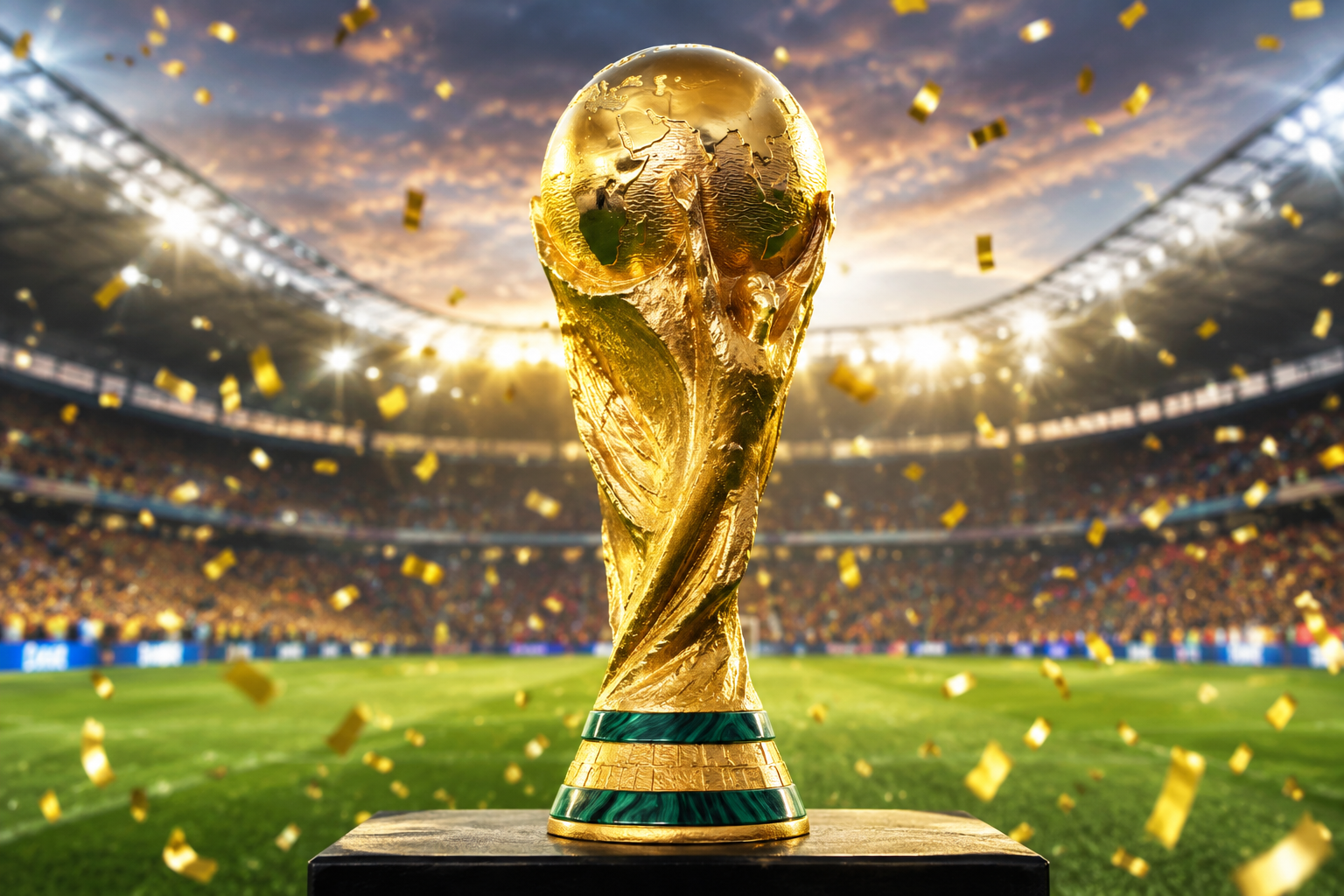
Every four years, billions of football fans around the world watch one unforgettable moment: the captain of the winning team lifting the FIFA World Cup Trophy. It is one of the most recognizable symbols in global sport, representing excellence, teamwork, and the dream of becoming world champions.
But behind this iconic trophy lies a fascinating story of history, artistry, competition, and even theft. From the original Jules Rimet Trophy to the modern golden masterpiece, the FIFA World Cup Trophy has become much more than a sporting prize—it is a symbol of football’s global legacy.
The Beginning of the World Cup Trophy
The FIFA World Cup was first held in 1930 in Uruguay. To commemorate the tournament, FIFA commissioned a trophy that would symbolize the highest achievement in international football.
The original trophy was designed by French sculptor Abel Lafleur and was initially called “Victory.” In 1946, it was renamed the Jules Rimet Trophy in honor of former president Jules Rimet, who played a key role in establishing the World Cup.
Standing about 35 centimeters (13.8 inches) tall, the trophy featured the Greek goddess Nike, symbolizing victory.
A Trophy with an Extraordinary History
The Jules Rimet Trophy experienced dramatic moments throughout its existence.
During World War II, concerns over its safety led FIFA official Ottorino Barassi to secretly hide the trophy inside a shoebox beneath his bed in Italy to prevent it from falling into the hands of occupying forces.
In 1966, shortly before the World Cup in England, the trophy was stolen during a public exhibition. It was famously recovered by a dog named Pickles, whose owner discovered the wrapped trophy hidden in a garden in South London.
The incredible story captured headlines worldwide and remains one of football’s most memorable moments.
Why FIFA Introduced a New Trophy
Under the tournament’s rules at the time, any nation winning the World Cup three times would permanently keep the Jules Rimet Trophy.
Brazil achieved this milestone after winning the tournament in 1970, earning permanent ownership of the trophy.
FIFA then organized an international competition to create a brand-new trophy for future tournaments.
The Modern FIFA World Cup Trophy
The current World Cup Trophy debuted in 1974.
Italian artist Silvio Gazzaniga won the design competition, beating more than 50 other entries from around the world.
His design depicts two human figures lifting the Earth, symbolizing the joy, unity, and universal appeal of football.
Unlike its predecessor, the modern trophy can never be permanently won by any nation.
What Is the Trophy Made Of?
The current FIFA World Cup Trophy is crafted primarily from:
- 18-karat solid gold
- Green malachite at the base
- Height: 36.8 centimeters
- Weight: approximately 6.175 kilograms
Contrary to popular belief, the trophy is not entirely solid gold throughout, but it remains one of the most valuable and prestigious trophies in sport.
Can Winners Keep the Trophy?
No.
Since 1974, FIFA has retained ownership of the original trophy.
The winning national team receives the authentic trophy during the presentation ceremony before it is returned to FIFA.
Champions are later awarded an officially authorized replica for permanent display.
This policy helps preserve the original trophy for future generations.
The Names Engraved on the Trophy
The base of the trophy contains engraved names of every FIFA World Cup champion since 1974.
Space remains for additional champions for many decades, making it a living record of football history.
Why the Trophy Is So Special
Unlike many sporting awards, the FIFA World Cup Trophy represents more than victory.
For players, coaches, and fans, it symbolizes:
- National pride.
- Years of dedication and sacrifice.
- Teamwork and perseverance.
- Global unity through sport.
- A place in football history.
Lifting the trophy is considered the ultimate achievement in international football.
Interesting Facts About the FIFA World Cup Trophy
- The original Jules Rimet Trophy was permanently awarded to Brazil after its third World Cup victory in 1970.
- The current trophy has been used since the 1974 FIFA World Cup.
- Only FIFA officials and World Cup-winning players are permitted to touch the original trophy under official protocols.
- The trophy travels internationally for promotional tours before each FIFA World Cup.
- It is one of the most recognized sporting symbols in the world.
The Legacy Continues
As football continues to grow across every continent, the FIFA World Cup Trophy remains the sport’s highest honor.
Every tournament adds another chapter to its remarkable story, inspiring millions of young players to dream of one day representing their country on football’s biggest stage.
Whether displayed in museums, celebrated during trophy tours, or lifted by champions after a thrilling final, the FIFA World Cup Trophy stands as a timeless symbol of excellence, passion, and the unifying power of the beautiful game.
Conclusion
The FIFA World Cup Trophy is far more than a golden prize—it is a piece of sporting history. From the creation of the Jules Rimet Trophy and its incredible wartime survival to the elegant modern design that has become synonymous with football greatness, the trophy embodies decades of unforgettable moments.
As each World Cup unfolds, the trophy continues to inspire players and fans alike, reminding the world that football is not just a game but a shared global passion that brings nations together.
Disclaimer
This article is intended for informational and educational purposes only. Historical information is based on official FIFA records and widely documented historical sources available at the time of writing. The FIFA World Cup Trophy and related trademarks are the property of FIFA.
Learn more about our site on contactarchive2in.com
Contact us on our site on contactarchive2in@gmail.com
Leave a Reply
You must be logged in to post a comment.