
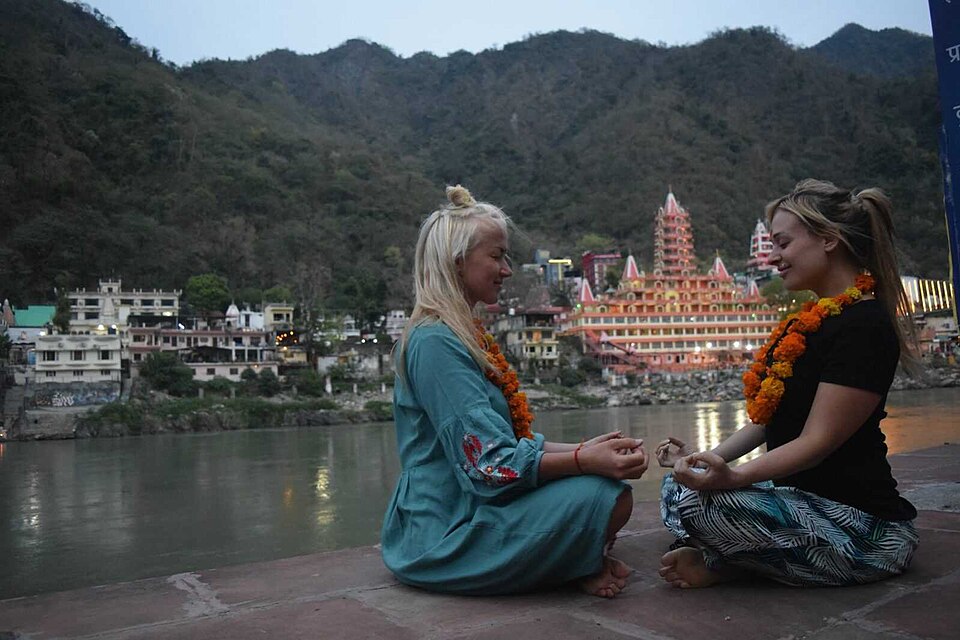
Spiritual Yoga Was Never Just About the Poses
Walk into most yoga studios today and you’ll see rows of mats, a playlist, and a room full of people chasing flexibility and a good stretch. It’s easy to assume yoga is simply a form of exercise a slower, calmer cousin of the gym. But according to yoga teachers and scholars who’ve studied the practice’s roots, that’s only a fraction of the picture.
At its core, yoga was designed as a spiritual discipline, not a workout. The physical postures most people associate with yoga today the asanas were actually a later addition, developed for a very specific purpose: to help the body sit still and comfortable enough for long periods of meditation.
So, What Is Spiritual Yoga, Exactly?
Spiritual yoga refers to the practice of yoga in its original, fuller sense one that goes beyond stretching and strength-building to focus on inner awareness, self-realization, and a connection to something greater than the self. It typically combines several elements working together:
- Asanas (postures) — used as preparation for stillness, not the end goal
- Pranayama (breath control) — to calm the nervous system and focus the mind
- Meditation and mindfulness — the original heart of the practice
- Ethical living — principles that guide how a practitioner treats themselves and others
The word “yoga” itself comes from the Sanskrit root meaning “to unite” or “to yoke” traditionally understood as the union of body, mind, and soul, or the individual self with a larger universal consciousness.
Why Experts Say It’s More Than Physical Poses
Yoga teachers and researchers who focus on the tradition’s philosophical roots make a consistent point: the physical practice was never meant to stand alone. As some practitioners put it, the original purpose of yoga was meditation the poses came later, purely to help people sit comfortably for longer stretches of stillness. Asana was the preparation, not the goal.
This doesn’t mean the physical side is unimportant. Modern yoga teachers are quick to point out that understanding how the body moves joint mechanics, alignment, and safe effort genuinely matters, especially to avoid injury. But that physical intelligence is meant to support the deeper practice, not replace it. Spiritual intention alone doesn’t excuse poor alignment, and good alignment alone doesn’t make a practice spiritual the two are meant to work together.
The Difference Between Fitness Yoga and Spiritual Yoga
| Aspect | Fitness-Focused Yoga | Spiritual Yoga |
|---|---|---|
| Primary goal | Flexibility, strength, stress relief | Self-awareness, inner peace, self-realization |
| Role of poses | The main activity | Preparation for stillness and meditation |
| Breathwork | Often minimal or incidental | Central to calming the mind |
| Approach | Physical routine | Holistic mind-body-soul practice |
| Outcome sought | Physical fitness | Emotional clarity, patience, deeper self-understanding |
Neither approach is “wrong” many people first discover yoga through its physical benefits and only later find themselves drawn into its deeper, more contemplative side. That’s a common and welcomed entry point, not a lesser one.
The Symbolic Meaning Behind the Poses
One thing that surprises many newcomers: even the poses themselves often carry symbolic weight in the spiritual tradition of yoga.
- Padmasana (Lotus Pose) is associated with spiritual awakening, echoing a lotus flower slowly unfolding
- Balasana (Child’s Pose) encourages surrender, introspection, and a sense of safety
- Bhujangasana (Cobra Pose) symbolizes renewal and shedding old patterns
- Shavasana (Corpse Pose) is considered essential for cultivating complete stillness and awareness, even though the body appears to be doing nothing at all
Understanding these layers can change how a pose feels turning a simple stretch into a moment of reflection.
Why This Distinction Matters Today
As yoga has grown into a global, multi billion dollar wellness industry, much of its spiritual foundation has quietly faded into the background in favor of fitness trends, aesthetics, and quick stress relief. That’s not inherently a problem yoga can genuinely help with flexibility, strength, and calm regardless of intention.
But for those who find themselves wondering why a yoga practice sometimes feels emotionally significant, or why a teacher keeps mentioning breath and awareness alongside alignment cues, the answer often traces back to this deeper layer. Spiritual yoga isn’t a separate style so much as a reminder of what the practice was built for in the first place.
The Takeaway
Spiritual Yoga can absolutely be a great workout. But reducing it to only its physical poses misses much of what the tradition was designed to offer. Spiritual yoga isn’t about achieving a perfect handstand it’s about using the body as a doorway to stillness, self-understanding, and a quieter mind. Whether someone comes to their mat for fitness or for something deeper, that door remains open either way.
Learn more about our site archive2in.com
Contact us on contactarchive2in@gmail.com
Read out our latest articles on our BLOG section
Leave a Reply
You must be logged in to post a comment.