
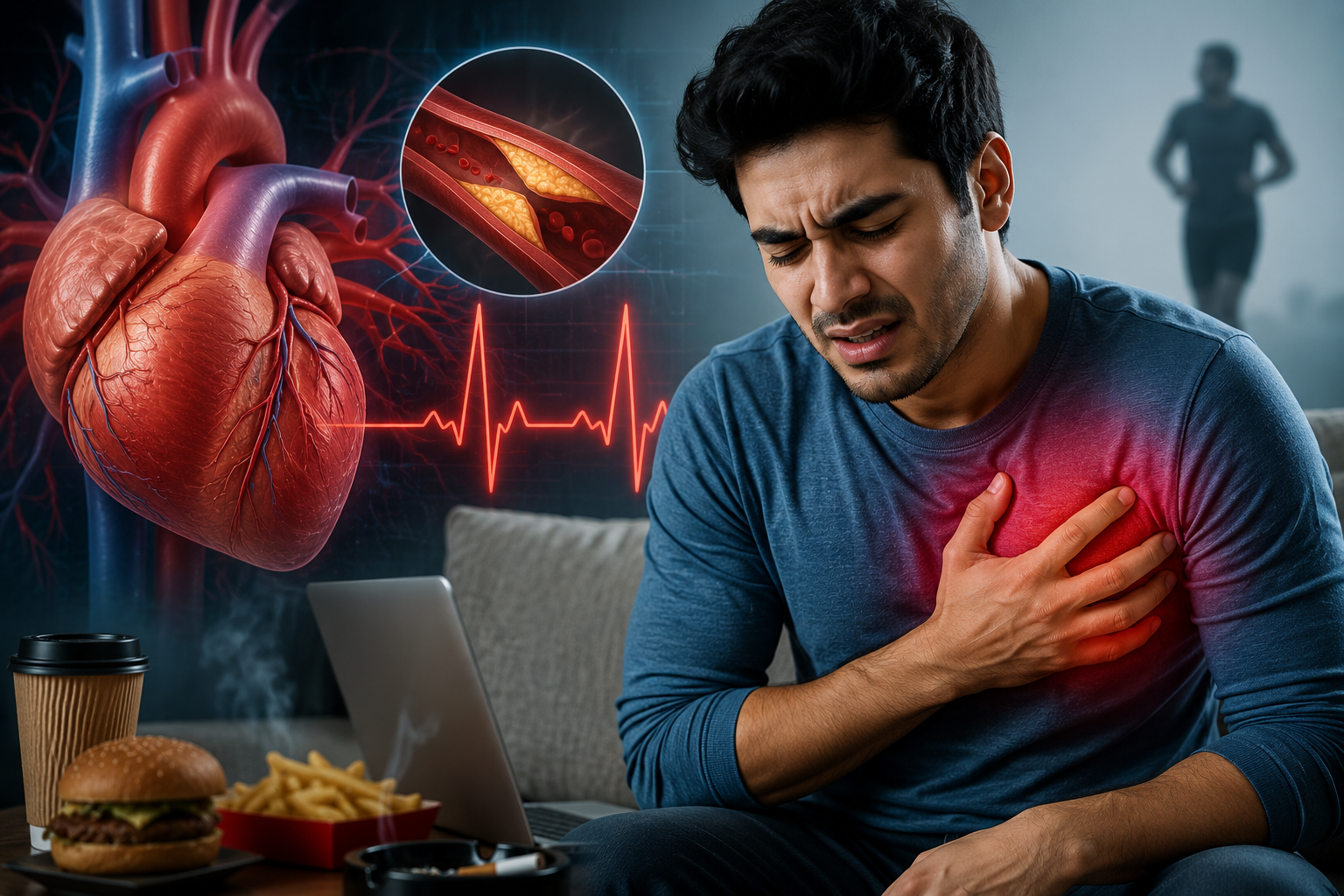
Heart attacks were once considered a health problem mainly affecting older adults. However, doctors are now seeing a worrying rise in heart attacks among people in their 20s, 30s, and 40s. While age remains an important risk factor, lifestyle changes, stress, and certain medical conditions are contributing to an increasing number of cases among younger adults.
Understanding the causes and recognizing the warning signs can help reduce your risk and encourage timely medical attention when it matters most.
What Is a Heart Attack?
A heart attack, also known as a myocardial infarction, occurs when blood flow to part of the heart is blocked, usually by a blood clot forming over a buildup of fatty deposits (plaque) in the coronary arteries. Without enough oxygen-rich blood, heart muscle begins to suffer damage.
A heart attack is a medical emergency that requires immediate treatment.
Why Are Heart Attacks Increasing Among Young Adults?
There isn’t one single cause. Instead, experts believe several factors are contributing to the trend.
1. Unhealthy Diet
Many young adults regularly consume processed foods, sugary drinks, fast food, and snacks high in salt and unhealthy fats. Over time, these habits can increase cholesterol, blood pressure, and obesity.
2. Lack of Physical Activity
Long hours spent sitting at desks, working remotely, or using smartphones reduce daily physical activity. A sedentary lifestyle is linked to obesity, diabetes, and cardiovascular disease.
3. Chronic Stress
Work pressure, financial concerns, lack of sleep, and constant digital connectivity can increase stress levels. Chronic stress may contribute to high blood pressure and other heart disease risk factors.
4. Smoking and Tobacco Use
Smoking cigarettes, vaping, and using smokeless tobacco damage blood vessels and significantly increase the risk of heart disease—even in younger people.
5. Diabetes and High Blood Pressure
Conditions once more common in older adults are increasingly being diagnosed at younger ages. Poorly controlled diabetes and hypertension can damage blood vessels over time.
6. Obesity
Being overweight increases the risk of high cholesterol, diabetes, sleep apnea, and high blood pressure, all of which raise the likelihood of heart disease.
7. Poor Sleep
Regularly sleeping less than the recommended amount may negatively affect blood pressure, blood sugar regulation, and overall cardiovascular health.
8. Family History
Some people inherit a higher risk of heart disease. If close family members experienced heart disease at a young age, your own risk may also be higher.
Warning Signs of a Heart Attack
Symptoms may vary from person to person, but common warning signs include:
- Chest pain, pressure, or tightness
- Pain spreading to the left arm, shoulder, jaw, neck, or back
- Shortness of breath
- Cold sweats
- Nausea or vomiting
- Dizziness or fainting
- Unusual fatigue
Women may sometimes experience less typical symptoms, such as fatigue, nausea, indigestion-like discomfort, or pain in the back or jaw.
If you suspect a heart attack, seek emergency medical care immediately.
How to Reduce Your Risk
Small lifestyle changes can make a big difference over time.
Eat a Heart-Healthy Diet
Choose fruits, vegetables, whole grains, legumes, lean proteins, nuts, and healthy fats. Limit processed foods, sugary beverages, and foods high in saturated fat and sodium.
Exercise Regularly
Aim for at least 150 minutes of moderate-intensity physical activity each week, along with muscle-strengthening activities on two or more days.
Maintain a Healthy Weight
Gradual, sustainable weight management can reduce several major heart disease risk factors.
Stop Smoking
Quitting smoking is one of the most effective ways to improve heart health.
Manage Stress
Meditation, yoga, regular exercise, hobbies, and spending time with loved ones can help reduce stress.
Get Regular Health Checkups
Monitor your blood pressure, cholesterol, blood sugar, and weight—especially if you have a family history of heart disease.
Sleep Well
Most adults should aim for 7–9 hours of quality sleep each night.
When Should You See a Doctor?
Consult a healthcare professional if you have:
- Persistent chest discomfort
- High blood pressure
- Diabetes
- High cholesterol
- A strong family history of heart disease
- Frequent shortness of breath or unexplained fatigue
Early detection allows many risk factors to be treated before they lead to serious complications.
Conclusion
The rise in heart attacks among young adults is a reminder that heart health matters at every age. While some risk factors, such as genetics, cannot be changed, many others—including diet, exercise, smoking, stress, and sleep—are within your control.
By adopting healthier habits and seeking regular medical checkups, you can significantly reduce your risk of cardiovascular disease and protect your long-term health. If you ever experience symptoms of a heart attack, don’t ignore them—seek emergency medical care immediatel
Disclaimer
This article is for informational purposes only and should not be considered medical advice. It is not intended to diagnose, treat, cure, or prevent any disease. If you experience symptoms of a heart attack or have concerns about your heart health, seek immediate medical attention or consult a qualified healthcare professional.
Learn more about our site on contactarchive2in.com
Contact us on our email id contactarchive2in@gmail.com
Leave a Reply
You must be logged in to post a comment.